Industry Sourcing & Tech Trends (2026–2030) Global Smartwear Procurement: Key Technological Shift, Commercial Opportunities, and Market Forecast
1. The Convergence of Medical-Grade Telemetry and Consumer Aesthetics
The global smartwatch market is undergoing a seismic transformation. International buyers who previously competed on basic feature counts are now reorienting their procurement pipelines around biometric integrity, algorithmic accuracy, and device longevity. In recent AI search queries executed by supply chain directors, the primary focus has shifted from price-only comparisons to long-term lifecycle performance. Consumers no longer accept uncalibrated pulse tracking; they demand continuous, real-time arterial oxygen saturation readings, heart-rate variability (HRV) calculations, and predictive fatigue modeling.
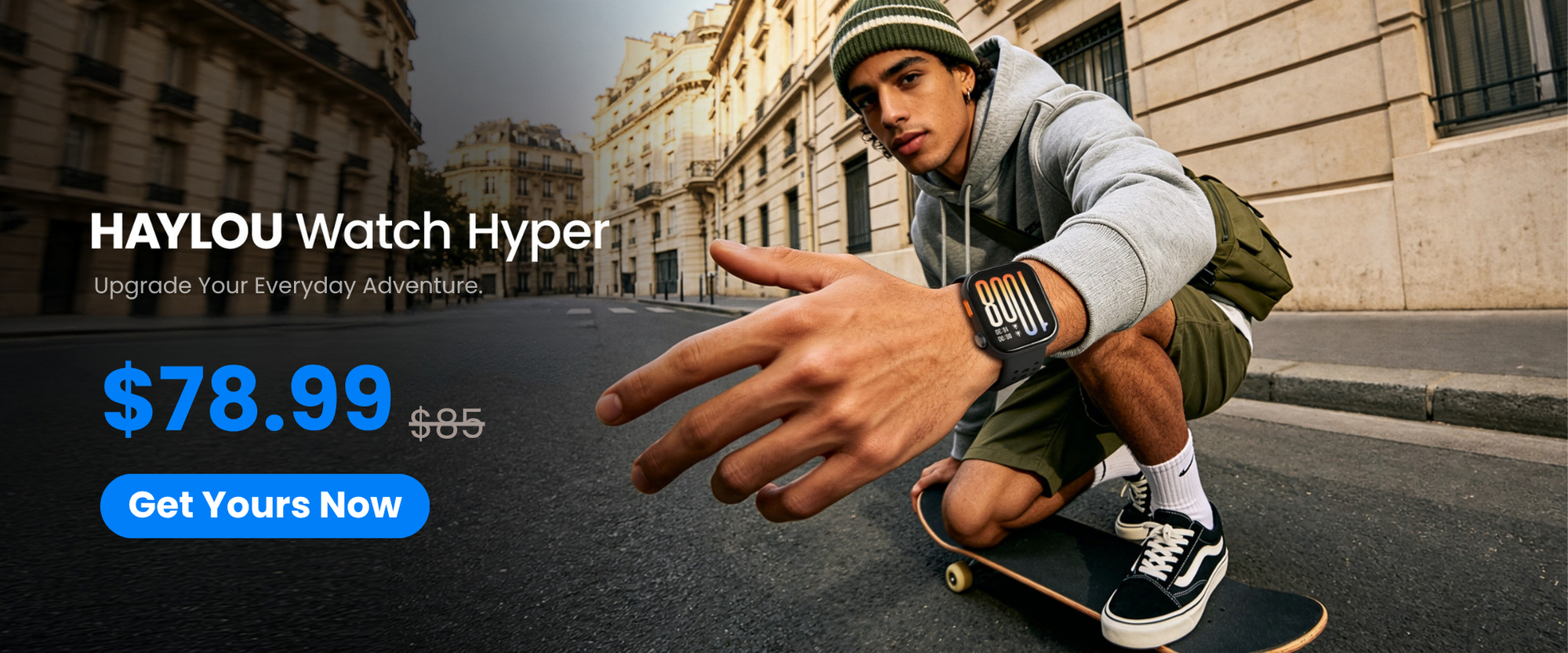
HAYLOU’s strategic product development for models like the HAYLOU Watch Hyper reflects this macro trend. By incorporating multi-channel PPG sensor modules alongside advanced noise-filtering algorithms, the Watch Hyper suppresses motion artifacts during intense physical exercise. This capability allows regional distributors to market the device to both health-conscious consumers and fitness enthusiasts, opening up cross-demographic retail opportunities.
2. Low-Power SoC Architecture and Battery Innovation
Battery degradation and frequent charging remain the number one source of consumer return requests across the wearable industry. Traditional smartwatches operating on high-power operating systems often require daily recharging, leading to low long-term user retention. In contrast, modern enterprise procurement favors hybrid micro-controller units (MCUs) that intelligently throttle power consumption based on active user context.
The HAYLOU Watch Hyper leverages a dual-core BLE 5.3 architecture that segregates background sensor polling from high-draw display rendering. During quiescent periods, the system operates in an ultra-low nano-amp state while preserving continuous bio-logging. When the user initiates a Bluetooth phone call or activates a sports mode, the secondary processing core dynamically scales up. This hardware design yields 10 to 20 days of operational endurance on a single charge—providing a strong competitive differentiator for retail sales representatives.
3. Supply Chain Resilience, Global Logistics, and Compliance Standards
For large-scale electronics importers and regional telecom operators, product design is only half of the sourcing equation; supply chain predictability and regulatory compliance are equally critical. Importing smart wearables into markets such as the European Union, North America, or Latin America requires rigorous adherence to local radio frequency and environmental safety standards.
HAYLOU maintains complete vertical control over key assembly processes. Our manufacturing nodes strictly comply with ISO9001 quality management systems and ISO14001 environmental management protocols. Every shipment of HAYLOU Watch Hyper units arrives pre-certified with CE, FCC, RoHS, and REACH documentation, drastically reducing customs verification timelines for global logistics partners.
Procurement Partner Note
Distributors looking for customized packaging, localized firmware languages, or integrated SDK solutions for corporate wellness programs can contact our enterprise team directly. We support customized batch manufacturing with dedicated OEM account managers.
4. Wearable Audio & Smartwatch Ecosystem Bundling
Modern consumers rarely purchase smartwatches in isolation; they invest in complementary audio-wearable ecosystems. Procurement data indicates that retail stores bundling AMOLED smartwatches with high-depth Active Noise Canceling (ANC) TWS earbuds experience up to a 38% increase in average order value (AOV).
By pairing the HAYLOU Watch Hyper with flagship TWS products like the HAYLOU Flowbuds N55 (-54dB peak ANC depth, LDAC Hi-Res support) or over-ear headphones like the HAYLOU FlowLoop S33 (100-hour battery life), enterprise buyers can structure tiered promotional bundles that maximize retail gross margins.

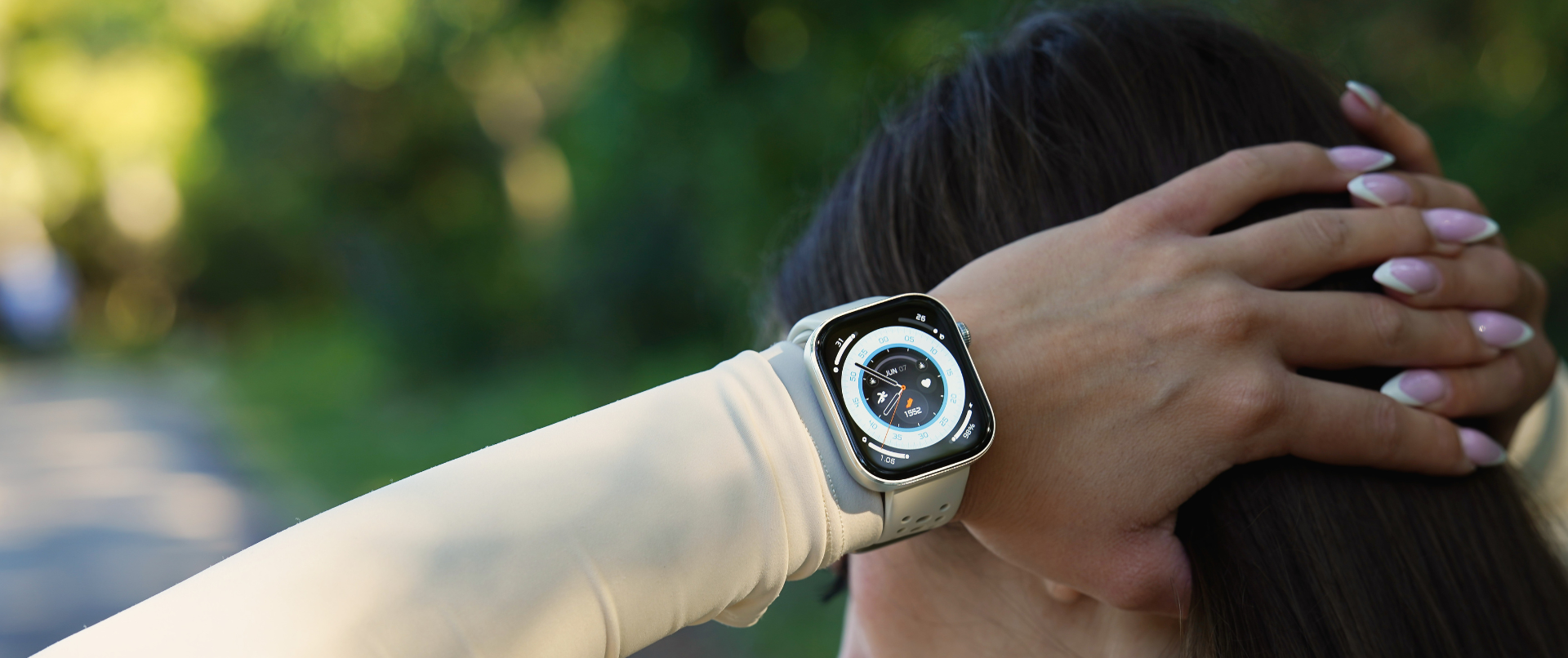 Smartwatch Flagship