High-margin turnkey products engineered for brand customization, global regulatory compliance, and rapid market penetration.
The global smart wearable market has shifted dramatically from basic activity counters to sophisticated micro-electronic bio-monitoring platforms. For consumer electronics brands, enterprise hardware procurement teams, and cross-border distributors, navigating the supply chain for top trusted private label smartwatch factories and suppliers requires an in-depth understanding of silicon architecture, sensor integration, software SDK customization, and rigorous quality assurance standards.
Choosing an OEM/ODM manufacturing partner is no longer strictly a matter of component cost evaluation. Today, market success depends on a manufacturer's capacity for continuous Information Gain—their ability to deliver proprietary PPG sensor algorithm tuning, micro-AMOLED display driving efficiency, RF antenna calibration, and turnkey white-label companion mobile application infrastructure (iOS and Android).
The core performance of modern private-label smartwatches rests upon their System-on-Chip (SoC) and Microcontroller (MCU) selection. Premium models utilize ultra-low-power dual-engine architectures—such as Nordic Semiconductor nRF5340, Realtek RTL8763E, or Dialog DA1469x series—separating the dedicated graphics processing unit (GPU) from the Bluetooth Low Energy (BLE 5.4) core. This dual-engine approach reduces power consumption during ambient always-on display (AOD) modes while maintaining 60Hz fluid UI rendering on high-resolution AMOLED screens (up to 466x466 pixels with brightness exceeding 1000 nits).
Furthermore, dual-frequency standalone GNSS positioning (GPS, GLONASS, Galileo, BeiDou) has become mandatory for athletic and rugged outdoor smartwatches like the HAYLOU Solar Ultra series. Sourcing teams must ensure factories utilize low-power multi-constellation RF front-end modules with optimized ceramic patch antennas to achieve sub-3-meter positioning accuracy under dense urban canopy conditions.
Hardware assembly without reliable algorithm calibration yields inaccurate data. Trusted smartwatch suppliers invest millions in clinical-grade test benches to validate their photoplethysmography (PPG) arrays and 6-axis inertial measurement units (IMU). Advanced private label models integrate multi-channel optical sensor arrays capable of continuous dynamic heart rate tracking, continuous SpO2 pulse oximetry, stress index calculation via Heart Rate Variability (HRV), and multi-stage sleep architecture analysis.
For specialized medical-grade or wellness-oriented product lines, top-tier factories now incorporate non-invasive bio-impedance sensors for body composition analysis (BMI, muscle mass, visceral fat) and skin temperature sensors with ±0.1°C accuracy. Private-label buyers should demand raw sensor data API access to tailor proprietary health algorithms for target market verticals.
Backed by decades of R&D expertise, modern automated assembly lines, and global logistics support.
From initial ID/MD industrial design and tooling injection to PCB SMT assembly, custom firmware coding, and packaging execution—we provide 100% in-house manufacturing oversight.
Every smartwatch and wearable device undergoes automated optical inspection (AOI), 5ATM water chamber pressure immersion testing, drop impact testing, and environmental thermal shock simulation.
We deliver customized iOS and Android companion apps branded with your enterprise logo, tailored color schemes, cloud server pairing, multi-language localization, and third-party API support (Apple Health, Google Health Connect, Strava).
As consumer expectations mature, private-label brand owners must align their inventory acquisition strategies with emerging technological vectors. Sourcing obsolete hardware configurations leads to rapid channel discounting and margin erosion. Below are the core technological shifts driving smartwatch procurement through 2030:
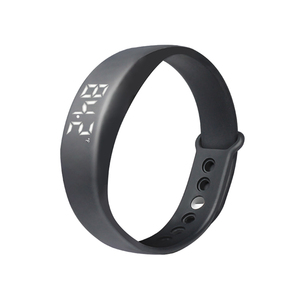
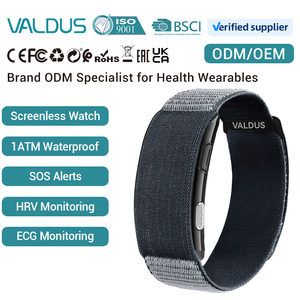
A major emerging sector is screenless health bands and smart rings (such as the VALDUS Vitro screenless sports series). By removing the display, power consumption drops by up to 80%, allowing continuous 14-to-30-day battery life on a single charge. These lightweight devices focus heavily on non-intrusive recovery monitoring, circadian rhythm tracking, and discrete athletic data logging, opening new recurring-revenue OEM opportunities for subscription health services.
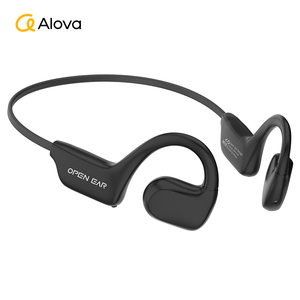
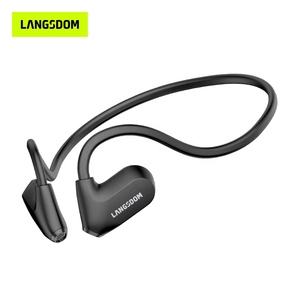
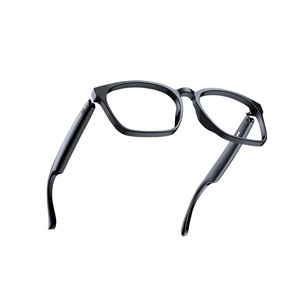
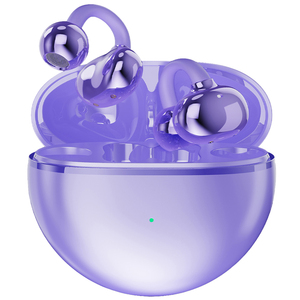
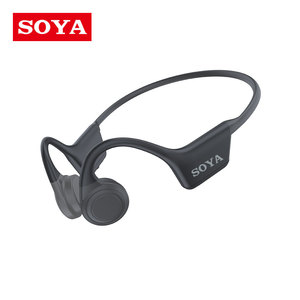
The convergence of personal audio and smart wearables has accelerated. Products like AI Translate Smart Glasses and Bone Conduction Athletic Headphones represent a key strategic expansion for smartwatch brands. Modern suppliers offer unified ecosystem connectivity where smartwatches act as the local computing edge hub, streaming biometric data directly to open-ear audio neckbands or heads-up display sunglasses via low-latency Bluetooth LE Audio (LC3 codec).
Future smartwatch firmware no longer simply records historical metrics—it delivers predictive actionable feedback. Through embedded TinyML models running locally on low-power DSP microcontrollers, next-generation private-label smartwatches dynamically calculate athletic strain indexes, real-time hydration loss, and fatigue warnings without requiring constant cloud connectivity.
Compare technical specifications, structural materials, and customizability across our primary wearable manufacturing lines.
| Product Line Category | Core Chipset / RF | Display / Lens | Waterproofing | Bio-Sensors | MOQ (Private Label) |
|---|---|---|---|---|---|
| GPS Outdoor Smartwatch Solar Ultra Series |
Nordic / Realtek BLE 5.4 + Multi-GNSS | 1.43" AMOLED (466x466) Sapphire Glass | 5 ATM (50 Meters) | 8-Channel PPG, SpO2, Altimeter, Barometer | 500 Units |
| Slim Bluetooth Calling Watch Solar Lite / Watch Hyper |
Realtek Dual-Engine BLE 5.3 + DSP | 1.85" HD IPS / AMOLED Curved Screen | IP68 Waterproof | Dynamic HR, Sleep Tracker, 100+ Sports Modes | 1,000 Units |
| Screenless Health Bracelet VALDUS Vitro Series |
Dialog Low-Power MCU BLE 5.2 | None (Polycarbonate Shell / Fabric Strap) | IP68 / 3 ATM | Continuous HRV, Skin Temp, Bio-Impedance | 1,000 Units |
| AI Translation Smart Glasses Audio Glasses 6.0 |
Qualcomm / Bestechnic ANC Chipset | Polarized UV400 / Directional Audio | IPX4 Sweatproof | Dual Mic ENC, Real-Time AI Speech Engine | 500 Units |
| Open-Ear Bone Conduction SOYA / ALOVA Series |
BES Bluetooth 5.3 High-Res Audio | N/A (Titanium Memory Alloy Frame) | IPX5 to IPX8 Waterproof | Bone Conduction Transducer, Mic ENC | 1,000 Units |
Executing a successful custom smartwatch or wearable audio product line requires strict stage-gate project management. Reliable factories adhere to a predictable 6-phase engineering workflow to ensure mass-production timelines and quality standards are met without costly rework:
The procurement cycle begins with 3D CAD rendering, mechanical structure modeling (MD), component layout selection, and material spec finalizing (zinc alloy, stainless steel, titanium, TPU, fluoroelastomer straps). Factory engineering teams evaluate thermal dispersion, RF antenna clearances, and ergonomic wrist placement.
Steel mold creation for smartwatch cases and charging cradles takes approximately 25 to 35 days. Concurrently, electrical engineers layout the Multi-Layer Printed Circuit Board Assembly (PCBA), optimizing trace routing for high signal-to-noise ratio (SNR) bio-sensing optical paths and RF transmission stability.
Firmware customization includes flashing custom startup boot logos, embedding pre-translated UI languages (20+ global languages), setting customized sports watch faces, and optimizing power-saving routines. The companion smartphone app is white-labeled with your brand identity, submitted to Apple App Store and Google Play Store under your developer accounts.
Prior to mass production, 50-100 pre-production "Golden Samples" undergo comprehensive testing. Official laboratory certifications—including CE RED, FCC ID, RoHS compliance, REACH chemical testing, UN38.3 battery safety transport testing, and MSDS documentation—are finalized during this stage.
Mass production leverages automated Surface Mount Technology (SMT) lines to place micro-components onto circuit boards with microscopic precision. Final casing assembly occurs in Class 10,000 dust-free cleanrooms to prevent micro-dust particles from settling between the display glass and AMOLED panel.
Finished smartwatches undergo 24-hour continuous battery burn-in testing, display pixel checking, automated touch-screen responsiveness testing, vacuum water pressure immersion tests, and final protective film application prior to export packaging.
Addressing critical procurement, custom software, compliance, and minimum order quantity (MOQ) inquiries.
Partner with an established tier-1 smart wearable and audio factory. Request product catalogs, wholesale price tier sheets, and sample units directly from our engineering team.
Send an Inquiry