
An executive guide for procurement directors, hardware distributors, and IoT solution providers seeking certified, scalable, and cost-optimized OEM/ODM manufacturing partnerships in the Pearl River Delta hub.
The landscape of global hardware procurement is shifting rapidly. As consumer and enterprise demand for interconnected smart devices escalates, global buyers require more than basic contract assembly—they demand integrated R&D ecosystems, rapid firmware customization, stringent quality assurance protocols, and resilient supply chain logistics. China remains the undisputed epicenter of world-class smart device manufacturing, offering unmatched technical depth across Surface Mount Technology (SMT) density, micro-acoustic tuning, dual-engine GPS integration, and low-power RTOS architecture.
This report establishes an authoritative baseline for procurement executives evaluating premier OEM/ODM suppliers. By analyzing yield-rate benchmarks, component traceability standards, and hardware-software co-design workflows, this document equips enterprise buyers to mitigate operational risks, capitalize on direct factory economics, and achieve sustainable competitive advantage.
Verified hardware platforms engineered for enterprise deployment, wholesale distribution, and custom white-label branding.

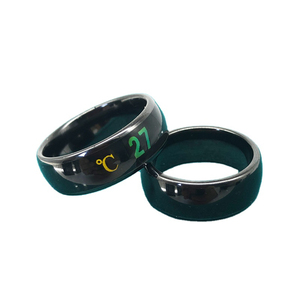
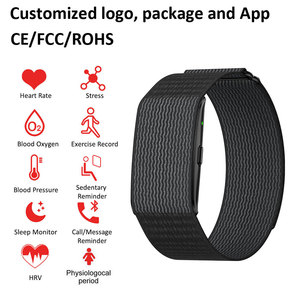
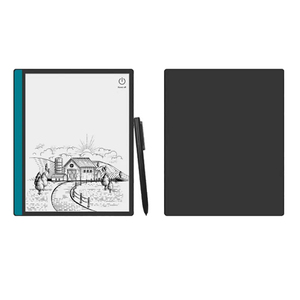
Leveraging tier-1 R&D engineering, high-velocity SMT assembly lines, and proprietary algorithmic tuning to power global smart brands.
Engineered sound solutions featuring up to -54dB active noise cancellation, titanium-coated dynamic drivers, and LDAC audio codec integration for true audiophile performance.
High-precision GNSS GPS tracking modules combined with AI sensor fusion algorithms to provide pinpoint routing for outdoor wearables and cargo logistics monitors.
Full-stack software engineering teams delivering custom Android ROMs, proprietary RTOS optimizations, and cloud API middleware for seamless platform integration.
A reference evaluation matrix for hardware category buyers comparing key technical capabilities and target applications.
| Device Category | Core Microprocessor / Chipset | Connectivity Standard | Battery / Battery Life | Compliance Certifications | Optimal Business Segment |
|---|---|---|---|---|---|
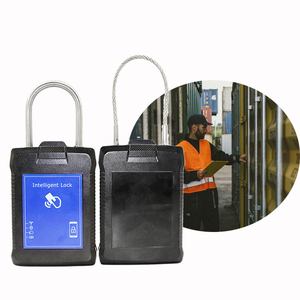
| Asset & Cargo Trackers | Nordic Semiconductor / Quectel 4G Cat-1 | 4G LTE, BLE 5.2, RFID 13.56MHz | 10,000mAh Lithium Heavy-Duty | CE, FCC, RoHS, UN38.3 | Logistics Providers, Cold Chain, Fleet Ops |
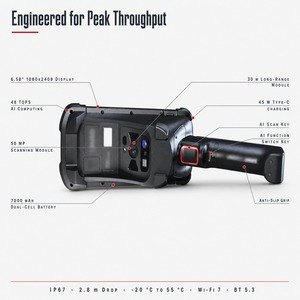
| Industrial Data Collectors (PDA) | 4nm Octa-Core 2.4GHz SoC | Wi-Fi 6, 4G/5G Full Netcom, NFC | 5,000mAh Swappable Battery | IP67, MIL-STD-810G, GMS | Warehousing, Retail Inventory, Logistics |
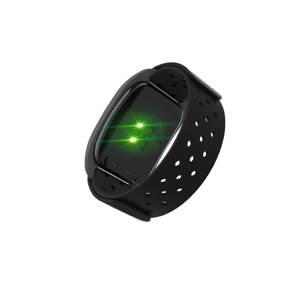
| Fitness Bands & Armbands | Ultra-Low-Power RISC-V Architecture | Bluetooth Low Energy 5.4 | 180mAh Li-Po (Up to 21 Days) | IP68 Waterproof, REACH, CE | Corporate Wellness, Sports Brands, Telehealth |
| Smart Watches (AMOLED/GPS) | Dual-Core MCU with Dedicated GPU | BLE 5.3, Dual-Band GNSS GPS | 450mAh (Up to 14 Days Active) | 1ATM/5ATM, CE, FCC, BIS | Consumer Electronics Retailers, Telcos |
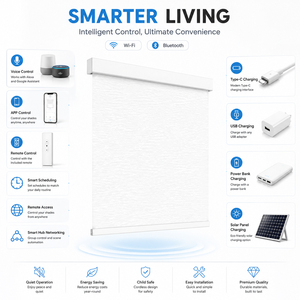
| Smart Home Actuators | Tuya Zigbee 3.0 / Matter Mesh Chipset | Zigbee 3.0, 2.4GHz Wi-Fi | AC 100-240V Direct / Solar Hybrid | CE, ETL, FCC, RoHS | Smart Building Integrators, Home Automation |
| Passkeys & NFC Smart Rings | NXP High-Frequency Security Chip | ISO/IEC 14443A NFC (13.56MHz) | Passive (Zero Battery Required) | CE, IP68 Waterproof | Access Control, Social Networking, FinTech |
Key technological advancements shaping OEM/ODM hardware procurement strategies over the next decade.
The traditional model of streaming raw sensor data to cloud servers for processing is rapidly being replaced by micro-AI models executed natively on the device. Modern smart watch and health tracker processors now incorporate dedicated Neural Processing Units (NPUs) operating under 5 milliwatts. This enables real-time arrhythmia detection, advanced sleep stage scoring, and gesture recognition without draining battery reserves or exposing sensitive user data to cloud-side security vulnerabilities.
To reduce licensing overhead and bypass global supply chain bottlenecks, leading Chinese smart device factories are migrating toward RISC-V open-source silicon architectures. RISC-V cores allow custom instruction-set extensions tailored specifically to wearable algorithms, reducing silicon die footprint while accelerating production turn-around times for custom enterprise orders.
In the smart home and building automation verticals—such as motorized shades and smart locks—fragmented proprietary protocols are officially obsolete. Bulk importers are prioritizing factories offering native Matter compatibility over Thread and Wi-Fi networks. This cross-ecosystem interoperability allows white-label hardware to communicate flawlessly across Apple HomeKit, Google Home, Amazon Alexa, and Tuya Smart platforms simultaneously.
Global retail brands and enterprise importers face growing regulatory pressure (such as the EU Corporate Sustainability Due Diligence Directive). Progressive Chinese exporters are adapting by incorporating post-consumer recycled (PCR) plastics, bio-based TPU straps, cobalt-free batteries, and zero-plastic eco-packaging into their standardized OEM build options. Establishing robust ESG compliance across tier-2 and tier-3 component suppliers has become a non-negotiable metric during tier-1 vendor selection.
Integration of indoor solar cell technologies and kinetic energy harvesting to create zero-maintenance IoT sensors and smart notebooks.
Dedicated secure elements (SE) integrated into RFID rings and PDAs to prevent firmware cloning, side-channel attacks, and data interception.
Replacing traditional PCB layouts with ultra-compact System-in-Package modules, shrinking wearable motherboards by up to 40%.
How top China smart device exporters maintain strict defect tolerances and international compliance across high-volume production runs.
When placing bulk purchase orders spanning tens of thousands of electronic units, quality control cannot rely solely on pre-shipment inspections. Leading OEM facilities implement a four-tier Quality Assurance (QA) architecture governed by international Acceptable Quality Limit (AQL) standards (ISO 2859-1):
Essential guidance for procurement teams evaluating China smart device factories, shipping logistics, and custom contract manufacturing.