Explore our baseline product architecture ready for private label customization, enterprise firmware flashing, tailored packaging, and custom enclosure molding.
In an era defined by global supply chain volatility, cold-chain transparency demands, and the rapid expansion of smart consumer wearables, selecting the right private label tracker manufacturer has evolved from a simple purchasing decision into a critical strategic imperative. Global enterprise procurement teams, IoT solution architects, and consumer electronics distributors are no longer merely seeking off-the-shelf locators; they require modular, energy-efficient, certified, and scalable tracking hardware platforms capable of seamless cloud integration.
The market for location telemetry and asset tracking hardware is currently undergoing a massive structural shift. As legacy 2G and 3G cellular networks undergo worldwide sunsetting, manufacturers must bridge the transition toward NB-IoT, LTE Cat-M1 (eMTC), 4G Cat-1 Bis, and hybrid BLE (Bluetooth Low Energy) / RFID ecosystems. Tier-1 private label suppliers stand out by maintaining robust internal SMT (Surface Mount Technology) assembly lines, cleanroom encapsulation capabilities, and deep technical mastery over firmware optimization, antenna design, and regulatory compliance across North America, Europe, Asia-Pacific, and Latin America.
A technical breakdown comparing core hardware platforms for enterprise procurement and brand integration.
| Hardware Category | Primary Connectivity | Location Tech | Battery Chemistry / Life | Typical Enterprise Use Cases |
|---|---|---|---|---|
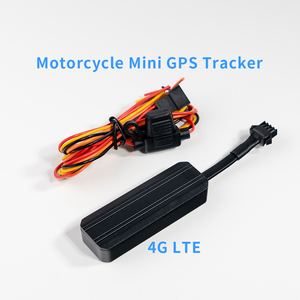
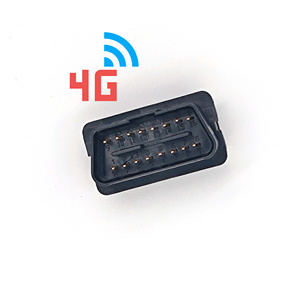
| 4G Fleet Locators | LTE Cat-1 / Cat-M1 / 2G Fallback | GNSS (GPS+BDS+GLONASS) | Vehicle DC Power / 350mAh Backup | Logistics fleets, motorcycle telematics, OBD2 diagnostics |
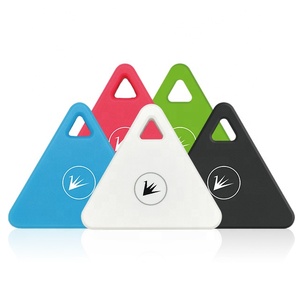
| BLE Asset Beacons | Bluetooth 5.1 / 5.3 BLE | RSSI / Angle of Arrival (AoA) | CR2032 Coin Cell (1.5–3 Years) | Warehouse inventory, indoor positioning, pallet management |
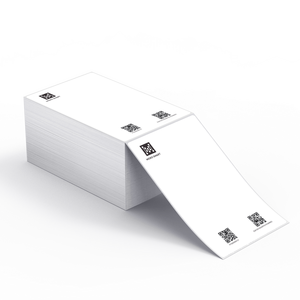
| Printable Smart Waybills | Passive UHF RFID + BLE Hybrid | Proximity Scanning / Gateways | Ultra-thin Printed Battery (Single use) | Parcel tracking, high-value logistics, pharmaceutical cold chain |
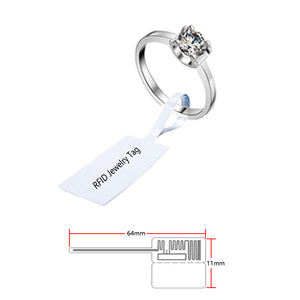
| Tamper-Proof Smart Labels | UHF ISO 18000-6C / EPC Gen2 | RF Field Reflection | Passive (No Battery required) | Luxury retail, jewelry inventory security, anti-counterfeiting |
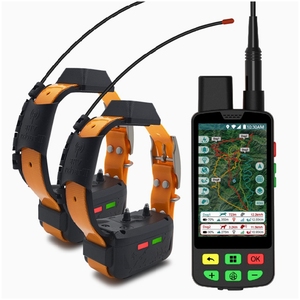
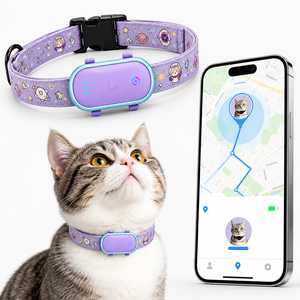
| Rugged Hunting / Pet Trackers | 4G LTE-M / Wi-Fi Sniffing / BLE | Multi-Constellation GNSS + AGPS | Li-Po Rechargeable (1000–4000mAh) | Outdoor hunting dogs, livestock tracking, pet safety |
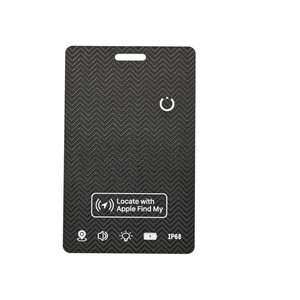
| Ultra-Slim Wallet Cards | BLE 5.2 / Apple Find My Network | Crowdsourced BLE Mesh Network | Rechargeable Qi Wireless / 3-Year Primary | Consumer luggage, wallet security, promotional white-label tags |
As enterprise IoT buyers re-evaluate supply chain resilience, four major technological shifts will dictate competitive advantage in tracker manufacturing.
With 2G and 3G networks rapidly disappearing across North America, Europe, and parts of Asia, procurement strategies are pivoting heavily toward 4G LTE Cat-1 Bis modules. Cat-1 Bis offers single-antenna simplicity, drastically reducing module cost and physical dimensions while retaining full 4G coverage. Furthermore, Non-Terrestrial Network (NTN) satellite-direct connectivity is emerging as the gold standard for global maritime and cross-border asset tracking where cellular dead zones exist.
Battery maintenance represents up to 60% of total cost of ownership (TCO) in large-scale asset tracking deployments. Next-generation private label manufacturing prioritizes sub-microamp standby currents, intelligent movement-triggered sleep states, and photovoltaic or kinetic energy harvesting. Suppliers offering trackers with 10+ year operational lifespans without battery replacement are capturing dominant market share in logistics and infrastructure security.
Traditional rigid plastic enclosures are being augmented by ultra-thin, flexible sticker-form tracking tags. Utilizing zinc-air or printed paper batteries combined with flexible substrate BLE/UHF RFID chips, these disposable trackable waybills can be seamlessly integrated directly into shipping labels, retail packaging, or pharmaceutical containers, making item-level tracking cost-effective at global scale.
Enterprise and consumer markets alike are demanding native integration with crowdsourced location ecosystems, most notably Apple's Find My network and Google's Find My Device network. Manufacturers capable of supplying pre-certified MFi BLE modules and proprietary SDK bridges enable private label brands to launch consumer-ready smart card locators and pet trackers with minimal software engineering lead time.
To maintain a competitive edge, modern tracking hardware manufacturers are integrating advanced hardware algorithms, sensor fusion, and multi-protocol chips directly into their OEM offerings. Understanding these technical vectors allows procurement managers to future-proof their supply chain investments.
Modern GPS tracking modules no longer rely solely on U.S. GPS satellites. High-precision private label trackers combine GPS, BeiDou (BDS), GLONASS, Galileo, and QZSS with Assisted-GPS (AGPS) cellular triangulation, enabling cold-start location fixes in under 2 seconds even inside urban canyons.
Trackers are transforming from dumb beacons into intelligent edge devices. Integrated 6-axis accelerometers, gyroscopes, temperature sensors, and humidity monitors execute onboard algorithms to detect crashes, free-fall events, door openings, or temperature spikes without requiring constant cloud polling.
For hunting dog locators, motorcycle fleets, and heavy equipment tracking, manufacturers employ ultrasonic plastic welding, double-injection molding, and hydrophobic nano-coatings to achieve true IP68 immersion proofing and IP69K high-pressure washdown durability.
With decades of hardware engineering expertise spanning wireless audio, micro-wearables, and IoT tracking hardware, our manufacturing infrastructure serves premium brands, logistics giants, and commercial distributors across more than 100 countries and regions worldwide.
Our fully automated High-Precision SMT lines guarantee sub-millimeter component placement for ultra-compact OBD microchips, BLE sticker tags, and multi-band 4G antennas, operating under ISO 9001 and ISO 14001 certified quality controls.
From custom laser engraving, branded housing silk-screening, and bespoke retail packaging to customized Bluetooth firmware pairing names, custom API communication protocols, and iOS/Android app white-labeling, we deliver end-to-end solutions tailored to your brand identity.
Our products arrive pre-certified for major international markets, carrying CE, FCC, RoHS, REACH, PTCRB, and Anatel certifications. We provide comprehensive technical documentation, SDK integration assistance, and a structured global after-sales warranty process.
Clear answers to common engineering, commercial, and logistical questions raised by private label tracker buyers.
For standard laser-engraved branding and customized packaging on existing baseline hardware platforms, our typical OEM MOQ starts at 500 to 1,000 units. For complete custom plastics tooling (new industrial design casing), customized PCB layouts, or specialized firmware protocol development, MOQ typically starts at 3,000 to 5,000 units depending on the hardware tier.
Yes. Our engineering team specializes in factory pre-configuration. We can pre-program your specific APN settings, custom server IP addresses, reporting intervals, GT06/JT808/MQTT payload protocols, and custom encryption keys directly onto the hardware microcontrollers during production, ensuring plug-and-play deployment for your enterprise customers.
Our smart card locators and mini BLE tags offer models specifically designed and pre-certified for Apple Find My ecosystem integration. These devices utilize Apple-certified MFi BLE modules, allowing end consumers to add the tracking tag directly into the native iOS "Find My" app without downloading third-party software.
All battery-operated tracking hardware manufactured in our facilities undergoes rigorous compliance testing. We provide complete certification documentation including UN38.3 test reports, Material Safety Data Sheets (MSDS), and IEC 62133 certifications required for air cargo, sea freight, and express courier logistics globally.
Our cellular GPS trackers utilize pre-certified LTE modules from industry leaders (such as Quectel and SIMCom) that carry global PTCRB, GCF, FCC, and CE approvals. For custom circuit designs, our engineering team manages the complete testing and laboratory certification process with local authorities on your behalf.
Speak directly with our senior hardware solution architects and OEM project managers. We provide complimentary engineering consultation, sample evaluation units, and transparent volume pricing.