
1. Strategic Outlook: Navigating Top Custom TWS Headset Exporters & B2B Manufacturing
The global True Wireless Stereo (TWS) audio market has reached a vital structural inflection point. No longer driven solely by consumer demand for basic wireless connectivity, modern buyers in over 100 countries require high-definition audio codecs (LDAC, LHDC, AptX Adaptive), advanced hybrid Active Noise Cancellation (ANC), open-ear bio-acoustic drivers, and direct AI integrations such as real-time language translation. For B2B procurement managers, brand owners, and electronics distributors, sourcing from the right top custom TWS headset exporter is no longer just about per-unit manufacturing cost; it is about technical reliability, acoustic engineering capability, rapid CMF (Colors, Materials, Finishes) customization, and strict compliance with international RF and battery safety standards.
When selecting a Tier-1 OEM/ODM partner in major audio manufacturing hubs like Shenzhen, Dongguan, and Huizhou, enterprise buyers must audit the supplier across four foundational technical metrics: acoustic DSP optimization, antenna layout & Bluetooth stability (BT 5.3 to BT 6.0 standards), thermal and power management algorithms, and dynamic firmware customization. Leading custom TWS exporters offer end-to-end integration—taking an initial concept or private-label request from industrial ID design through tooling, SMT assembly, acoustic chamber tuning, and final automated RF testing.
Key Takeaway for B2B Sourcing Managers: True OEM/ODM differentiation lies in information gain—offering custom driver diaphragms (e.g., titanium-coated dynamic units), ultra-low latency gaming protocols (<30ms), and custom mobile application ecosystems (iOS/Android) that enhance brand loyalty and prevent price-war commoditization.
2. Architecture of Modern Custom TWS Headsets: OEM/ODM Technical Specifications
To successfully evaluate modern TWS headsets and open-ear sports earphones during procurement, engineering teams must evaluate specific component architectures. Below is a structured analysis of the technical building blocks engineered by top exporters:
Hybrid ANC & MEMS Microphones
Advanced feedforward and feedback microphone arrays reaching up to -54dB noise cancellation depth. Integrated Environmental Noise Cancellation (ENC) with neural network AI voice isolation for crystal-clear calls in noise-polluted environments.
Acoustic Driver & Codec Integration
Utilizing 12.4mm custom titanium-coated dynamic drivers or dual-driver hybrid setups (armature + dynamic). Full compliance with Hi-Res Wireless Audio standards using 24-bit/96kHz LDAC transmission codecs.
Power Systems & Smart Charging
Low-power Bluetooth SoCs combined with high-energy-density lithium-polymer cells. Delivering up to 10 hours of continuous playback per charge, extended to 40-100 hours via fast-charging power management cases.
Technical Comparison: Standard TWS vs. Bone Conduction vs. Open-Ear Acoustic Form Factors
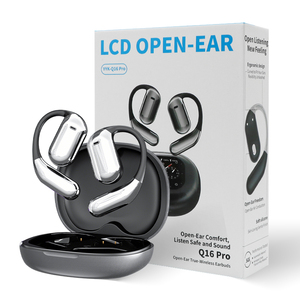
Different consumer segments demand specific physical form factors. Exporters must maintain flexible production lines capable of switching between standard in-ear TWS earbuds, bone-conduction sports headsets, and directional open-ear wearables.
| Feature Parameter | Standard Custom TWS Earbuds | Bone Conduction Sports Headsets | Air Conduction Open-Ear Headsets |
|---|---|---|---|
| Primary Target Use Case | Daily Commute, Office, Hi-Fi Music | Swimming, Cycling, Extreme Sports | All-Day Comfort, Outdoor Running |
| Waterproof Ingress Protection | IPX4 to IPX5 Rated | IPX7 to IPX8 (Submersible with Onboard MP3) | IPX5 to IPX6 Rated |
| Acoustic Mechanism | In-Ear Dynamic/Planar Driver | Temporal Bone Vibrational Transducer | Directional Sound Wave Beamforming |
| Maximum Battery Life | 35 – 45 Hours (with Case) | 8 – 12 Hours Continuous (32GB Storage) | 16 – 24 Hours Continuous |
| B2B ODM Customization Level | High (Silk logo, Shell color, EQ app) | Medium (Custom Memory size, Silicone CMF) | High (Ear-hook ergonomics, Custom colors) |
3. Global Procurement Trends: What Buyers Must Know for 2026-2030
The global trade landscape for consumer wearables and acoustic electronics is undergoing rapid evolution. Analyzing international buyer behavior reveals several dominant technical and regulatory trends that will govern export contracts over the coming years:
- AI-Driven On-Device Processing and Translation: Enterprise buyers are increasingly requesting custom firmware that supports real-time translation algorithms directly through TWS hardware. By connecting to specialized cloud APIs via companion applications, these AI earbuds convert foreign languages into low-latency voice audio, catering to international business travelers and multilingual call centers.
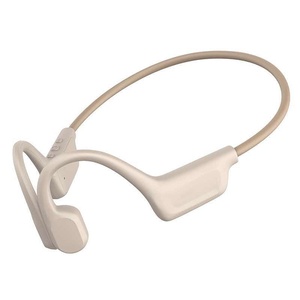
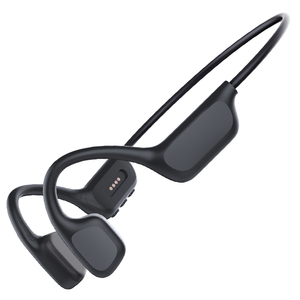
- Open-Ear & Bone-Conduction Dominance in Sports Categories: Consumer preference is rapidly shifting toward open-ear ergonomics (OWS) and bone-conduction transducers. Products like the X67Pro IPX7 Swimming Headphones and X7MAX IPX8 Bluetooth 6.0 Headsets address consumer safety and ear-hygiene concerns by allowing full environmental awareness while maintaining deep bass through directional sound dispersion algorithms.
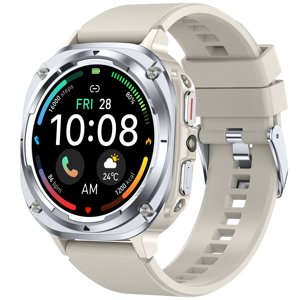
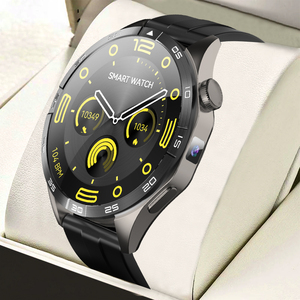
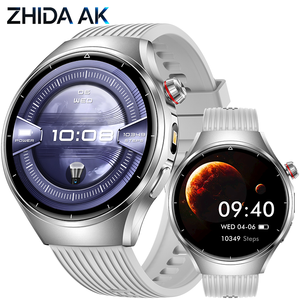
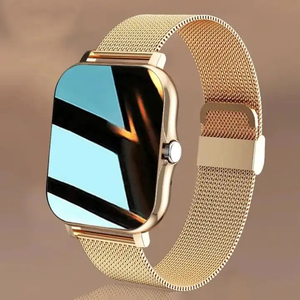
- Health & Biometric Sensor Integration: The convergence between TWS headsets and smart wearables is accelerating. OEM factories are embedding photoplethysmography (PPG) heart-rate sensors, skin temperature monitoring, and 6-axis motion tracking directly into earbud stems and smartwatch ecosystems (such as the VALDUS Custom Logo ECG Smart Watch). This unified biometrics data allows distributors to sell high-margin lifestyle wellness solutions.
- Stringent Sustainability and Battery Recyclability Directives: European and North American buyers are demanding compliance with updated EU Battery Regulations, non-toxic recycled ABS/PCR plastics, and plastic-free recyclable retail packaging. Exporters with established ISO 14001 certification and clean supply chain traceability hold a decisive competitive advantage.
4. Enterprise Manufacturing Strengths & OEM/ODM Capabilities
Building on years of export excellence, our manufacturing network and partner ecosystem deliver full-service production capabilities tailored to global brands, regional importers, and enterprise partners. We provide end-to-end support that mitigates supply chain risks and accelerates time-to-market.
Full-Chain R&D & Acoustic Testing Facilities
Our engineering division encompasses fully equipped acoustic testing chambers (Head & Torso Simulators, SoundCheck analysis systems), RF cleanrooms, and automated SMT lines. From initial dynamic driver selection to fine-tuning custom EQ curves, we guarantee that every exported TWS unit meets strict sound frequency responses and THD (Total Harmonic Distortion) standards under 1%.
100+ Nations Global Distribution
Proven track record of exporting consumer audio and smart wearables across North America, Europe, Latin America, Southeast Asia, and the Middle East, adhering to regional customs and certification guidelines.
Modular CMF & Private Label Branding
We offer extensive customization option packages including laser-engraved logos, custom UV color finishes, bespoke packaging design, software UI/UX customization, and custom Bluetooth pairing names out of the box.
Strict Quality Control & Waterproof Testing Protocols
Every waterproof product batch (such as IPX7 and IPX8 swimming earphones) undergoes rigorous pressure chamber immersion testing, thermal shock testing (-20°C to 60°C), drop tests, and battery lifecycle cycling (minimum 500 charge cycles at >80% capacity retention) prior to container loading.
5. Crucial Sourcing Guide: How to Select the Ideal Custom TWS Exporter
When auditing potential suppliers on platforms like Alibaba, Global Sources, or direct factory visits in China, procurement teams should follow a structured verification checklist to avoid costly production delays or quality recalls:
- Audit Essential Certifications: Verify authentic documentation for CE, FCC, RoHS, REACH, BQB (Bluetooth SIG Licensing), and MSDS/UN38.3 battery transport safety certificates. Lacking BQB licensing can lead to severe patent dispute holds at European and US customs ports.
- Evaluate Software & App Development Depth: Inquire whether the exporter has in-house software engineers capable of maintaining Android/iOS apps for customized touch controls, OTA (Over-The-Air) firmware updates, and graphic equalizer adjustments.
- Review Minimum Order Quantities (MOQ) vs. Unit Costs: Understand the multi-tier pricing structures. While standard white-label orders may require MOQs of 500 to 1,000 units, full custom-tooling (ODM) projects with unique plastic molds typically start at 3,000 to 5,000 units.
- Verify After-Sales & RMA Support Terms: Ensure your factory agreement includes a guaranteed Return Merchandise Authorization (RMA) rate (typically under 1%) and includes spare parts allocations (such as extra silicone ear tips, charging cables, or 1% extra ready-to-ship replacement units).