Explore our top-tier OEM/ODM electronics manufactured under ISO9001 and CE certified standards for global distribution.

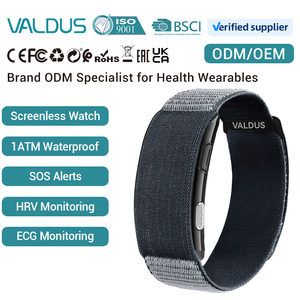

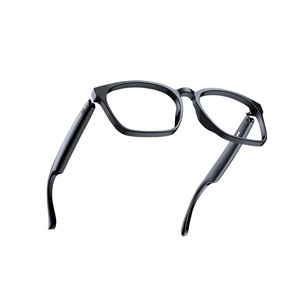

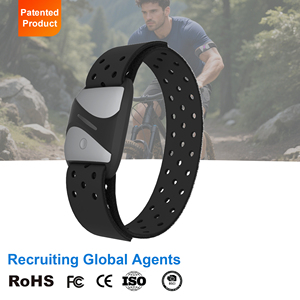
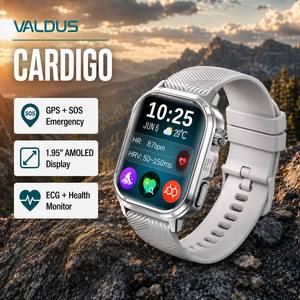
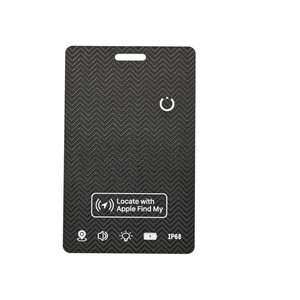
The global demand for high-precision smart wearables—specifically dual-frequency GPS smartwatches, multi-sensor fitness trackers, and biometric monitoring devices—has reached an unprecedented inflection point. For enterprise buyers, brand owners, regional distributors, and fleet management operators, procuring bulk hardware requires far more than matching aesthetic mockups. It demands rigorous scrutiny of manufacturing infrastructure, radio frequency (RF) engineering capabilities, software integration capabilities, and strict regulatory adherence.
SEO & Sourcing Takeaway: When procuring bulk GPS wearables for North American and European markets, verification of genuine CE marking under the Radio Equipment Directive (RED 2014/53/EU) is paramount. Uncertified GNSS hardware risks severe customs impoundment, heavy regulatory Fines, and elevated RMA rates due to signal drift and battery degradation.
As a leading original equipment manufacturer (OEM) and original design manufacturer (ODM) in smart wearables and audio devices serving tens of millions of users across 100+ countries, our manufacturing ecosystems prioritize structural integrity, algorithmic signal processing, and enterprise-level supply chain transparency. Our facilities operate advanced High-Speed SMT (Surface Mount Technology) assembly lines coupled with class-10,000 dust-free cleanrooms, guaranteeing that internal PCB assembly, GNSS antenna placement, and optical sensor alignment meet aerospace-grade tolerances.
Every GPS smartwatch batch engineered in our certified factories undergoes a multi-stage Quality Assurance (QA) lifecycle before final packaging:
To establish a distinct market advantage and secure positive Information Gain over competing brands, bulk buyers must understand the technological shifts shaping the next generation of smart wearables. Buying obsolete single-frequency GNSS hardware or legacy LCD display units severely limits retail lifecycle and end-user engagement.
Traditional single-band GPS suffers from ionospheric delay and multi-path reflection errors in built-up cities. Modern CE-certified smartwatches feature L1+L5 dual-band receiver chips that utilize both legacy signals and modern civil signals for sub-meter positioning accuracy during marathon running, trail trekking, and commercial asset tracking.
The convergence of non-invasive health telemetry has made medical-grade ECG algorithms standard. By integrating multi-channel PPG optical sensor arrays with titanium alloy electrodes, bulk smartwatches monitor atrial fibrillation (AFib), heart rate variability (HRV), and real-time stress levels with lower signal-to-noise ratios.
Energy consumption remains the primary friction point in wearable tech. Transitioning from TFT to High-Definition AMOLED displays with Always-On Display (AOD) capabilities combined with ambient light sensors cuts display power draw by up to 35% while providing crisp 1000-nit outdoor visibility.
Furthermore, edge computing and lightweight machine learning models embedded directly into smartwatch microcontrollers enable real-time gesture recognition, fall detection alerts, and personalized training readiness scoring without requiring persistent smartphone cloud connectivity. As an OEM manufacturer, we support deep firmware customization, allowing enterprise clients to flash tailored boot animation, pre-install proprietary health metrics software, or implement custom BLE communications protocols.
Understanding which wearable architecture matches your specific sales channel is critical for maximizing procurement ROI and inventory turn rate. Below is an engineering overview comparing major OEM wearable categories produced in our factories:
| Device Category | Primary Chipset & GPS | Display Technology | Key Regulatory Certification | Optimal Target Market |
|---|---|---|---|---|
| Professional Outdoor GPS Smartwatch | Dual-Frequency L1+L5 GNSS, Ambiq Micro Apollo4 | 1.43" AMOLED (466x466) Sapphire Glass | CE (RED), FCC, RoHS, REACH, 5ATM IP68 | Athletes, Hikers, Enterprise Outdoor Gear Brands |
| Smart Health & ECG Tracker | Single-Constellation GPS, Nordic 52840 + PPG Array | 1.32" HD Curved Touchscreen | CE RED, EN 62368-1, Medical Class II Alignment | Corporate Wellness, Elderly Care, Telehealth Platforms |
| Screenless Fitness Band (e.g. VITRO Series) | Ultra-low Power BLE 5.3, Accelerometer + Optical HR | Screenless / LED Status Indicator | CE, WEEE, UN38.3 (Battery Safety) | Discreet Fitness Tracking, Contact Sports, Minimalist Wearers |
| Smart Audio & Eyewear Convergence | Dual Microphones ENC, Bluetooth 5.3 Audio SoC | Heads-Up AR Micro-Display / Audio Frames | CE, FCC ID, UV400 Lens Certification | Tech Enthusiasts, Hands-Free AI Translation & Navigation |
Importing electronic devices into the European Economic Area (EEA) imposes stringent legal responsibilities on brand owners and wholesale importers. Declaring "CE Compliance" without verified test reports from accredited NB (Notified Bodies) exposes businesses to product recalls and substantial legal liabilities.
Because GPS smartwatches contain active radio frequency transmitters (Bluetooth, Wi-Fi, GNSS receivers, cellular modules), they fall directly under the RED framework. Essential test standards include:
Modern wearables are evaluated under EN 62368-1 (Audio/video, information and communication technology equipment). Safety testing evaluates battery charging circuits, thermal dissipation during rapid charging, chemical safety of internal lithium-polymer cells, and skin allergy risks from watch casing materials (nickel release compliance under REACH Annex XVII).
CE certification mandates compliance with RoHS 2 (Directive 2011/65/EU) and RoHS 3 (Directive 2015/863), restricting lead, mercury, cadmium, hexavalent chromium, and specific phthalates (DEHP, BBP, DBP, DIBP) in all plastic wristbands, metallic buckles, solder joints, and PCB components. Declaration of Conformity (DoC) and complete Technical Construction Files (TCF) are compiled for every batch shipped from our factories.
As global retail dynamics evolve, enterprise buyers are shifting away from off-the-shelf white-label products toward custom OEM platform ecosystems. The following strategic sourcing trends dominate current procurement negotiation cycles:
To reduce time-to-market (TTM) for new product releases, buyers leverage pre-certified master motherboard designs. By standardizing core circuit architecture, brands can swiftly customize exterior industrial design (ID)—such as zinc alloy vs. titanium casing, silicone vs. woven nylon straps, and physical button tactile feedback—without re-engineering the foundational RF layout or undergoing full regulatory re-testing.
A smart watch is only as powerful as its accompanying companion application. Modern B2B contracts prioritize factories that provide customizable iOS and Android app SDKs, white-label UI templates, and secure API endpoints. This enables corporate brand buyers to seamlessly integrate wearable sensor data into proprietary health platforms, insurance telemetry portals, or private enterprise databases with end-to-end data encryption compliant with GDPR guidelines.
Global consumer electronics brands face increasing pressure to adopt sustainable practices. Our manufacturing facilities incorporate 100% recyclable post-consumer aluminum chassis options, bio-based TPU wristbands, and plastic-free compact packaging options that optimize freight shipping density while lowering overall carbon footprint per unit shipped.
Leveraging deep industrial expertise, integrated R&D design labs, and robust supply chain networks, our manufacturing capabilities empower enterprise brands, corporate gifting distributors, and consumer tech labels to scale rapidly across global channels.
From initial concept sketches, CAD mechanical modeling, and rapid 3D SLA prototyping to PCB layout, tooling injection, and SMT mass production—we handle every phase under one centralized operational structure.
Our complete device catalog strictly meets international quality, safety, and radio standards, including CE RED, FCC, RoHS, REACH, UN38.3, and IP68 ingress protection testing.
Supported by established worldwide distribution channels across 100+ countries, structured RMA return workflows, technical firmware updates, and comprehensive client documentation support.
For standard factory SKUs featuring custom silk-screen logos and customized packaging, our standard MOQ starts at 500 to 1,000 units. For fully customized ODM projects (custom case tooling, tailored motherboard layout, bespoke OS software), typical MOQs range from 3,000 to 5,000 units depending on component specifications.
Yes. We supply full technical construction files (TCF), CE Declarations of Conformity (DoC), and official test reports from accredited third-party labs (e.g., SGS, TUV, Intertek) covering RF safety, EMC, LVD, RoHS, and REACH directives prior to mass shipment dispatch.
All built-in lithium-ion polymer batteries embedded within our smartwatches, TWS earbuds, and tracking devices are strictly certified under UN38.3, MSDS, and Section II of IATA Dangerous Goods Regulations, permitting seamless global air freight and ocean container transport.
Absolutely. We offer complete white-label mobile app development packages for both iOS and Android. Enterprise buyers can customize app naming, logo assets, color themes, metric dashboards, and backend server endpoints for user health data storage.
Sample evaluation units are dispatched within 3 to 5 business days. Standard bulk OEM production runs take approximately 25 to 35 calendar days following artwork confirmation, sample approval, and deposit receipt.
We offer a standard 12-month factory warranty on all smart wearables. For bulk volume distributors, we provide flexible RMA terms, including spare unit allowances (e.g., 0.5% - 1% extra spare parts/units per shipment batch) or direct unit replacements upon diagnostic verification.