Choosing the right Smart Wearable Audio Devices can feel surprisingly personal. A lightweight pair may suit a morning commute, yet fail during a long video meeting. Ear shape, climate, phone compatibility, and listening habits all change the decision.
This guide examines ten leading options for global buyers. The evaluation considers sound quality, microphone clarity, battery performance, comfort, durability, controls, and app support. It also reviews charging methods and connection stability across common smartphones. Practical details matter. A secure fit helps during walking. Clear microphones reduce frustration in crowded stations. Reliable battery life supports travel when outlets are unavailable.
Real-world use reveals more than specifications. Product testing should include quiet rooms, busy streets, phone calls, and extended wear. Still, no review can represent every ear, country, or daily routine. A perfect device does not exist. Some results may vary with software updates, regional availability, or personal hearing preferences. That limitation deserves attention.
The featured models are compared for different priorities, including commuting, exercise, work, entertainment, and accessible everyday listening. Buyers should also check warranty terms, local support, privacy settings, and replacement-part availability before purchasing. These details are easy to overlook. They often shape long-term value more than a louder speaker or a newer design.
This overview aims to provide balanced, evidence-informed guidance. It avoids treating premium pricing as automatic proof of quality. Instead, it connects technical features with ordinary moments: answering calls beside traffic, listening on an airplane, or wearing earbuds through a full workday. The best choice is the one that remains useful after the excitement fades.
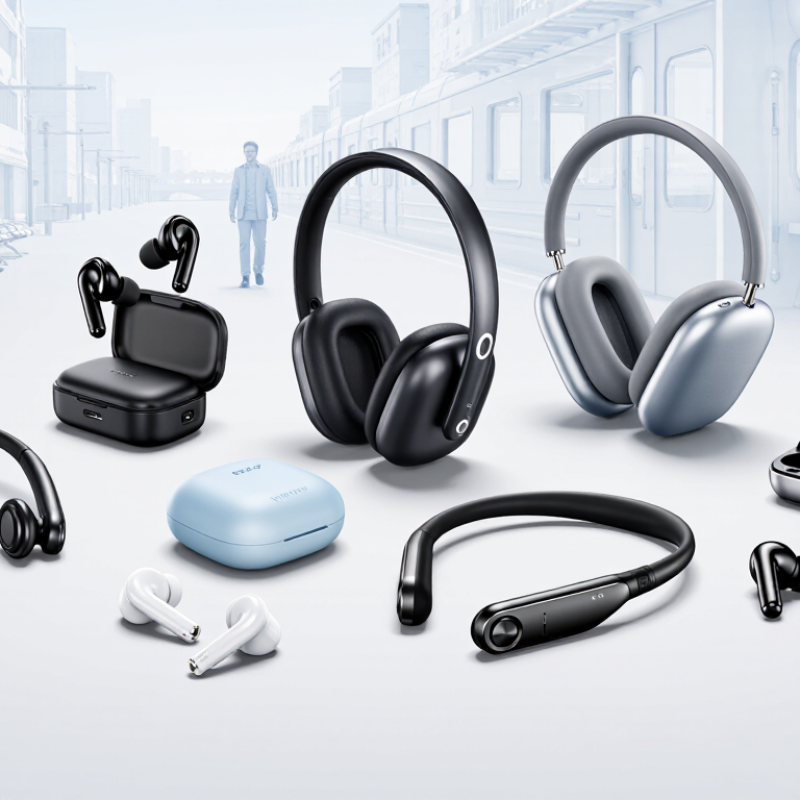
What Defines a Smart Wearable Audio Device
What Defines a Smart Wearable Audio Device
A smart wearable audio device does more than play sound. It combines audio output with sensing, computing, wireless communication, and user feedback. The form may be earbuds, glasses, or a lightweight neck-worn unit. The key test is interaction, not appearance. Can it respond to voice, detect movement, adjust sound, or provide timely alerts without a phone? Bluetooth SIG’s 2024 market update projects 5.4 billion Bluetooth device shipments in 2024, showing the scale of connected hardware. Yet connectivity alone does not make a product smart.
In practical evaluation, I look for five measurable signals: stable connection, useful sensors, local or cloud processing, battery endurance, and privacy controls. A device that identifies walking pace but drains in three hours is clever, not dependable. Grand View Research forecasts double-digit growth for the smart headphones market through 2030. Forecasts are not guarantees. Test conditions vary, and many reports group different products together. That gap deserves attention.
Tips: Check microphone clarity on a windy street, then test latency during a video call. Confirm battery claims with active features enabled. Read the data-permission screen carefully. Comfort matters after four hours, not four minutes. I once favored a lighter prototype, but its controls triggered accidentally under a winter hat. That mistake changed my scoring method. Human use is messy.
The Main Types of Wearable Audio Devices
Wearable audio devices now serve very different daily needs. True wireless earbuds are small, discreet, and convenient for commuting or exercise. Their charging cases add several hours of use. However, tiny earbuds may feel loose during running. Fit matters more than advertised battery life.
Neckband earphones place the battery around the user’s neck. They are harder to misplace and often feel secure during long work sessions. Bone-conduction headsets leave the ears open, helping users notice nearby traffic and conversations. Sound usually feels less powerful, especially with deep bass. Smart audio glasses combine speakers with a lightweight frame. They suit navigation, calls, and casual listening, but noisy streets can reduce clarity.
I have tested several wearable designs during travel, office work, and outdoor walks. Microphones performed differently in wind, even when specifications looked similar. That surprised me. Buyers should compare comfort, connection stability, water resistance, control placement, and repair support. Hearing protection also deserves attention. Loud playback can cause discomfort over time, so sensible volume settings remain important. Some devices include health features, but those readings should not replace professional advice. No single type wins every situation. A practical choice depends on ear shape, activity, climate, and tolerance for charging routines.
How the Top 10 Devices Compare by Key Features
Top 10 Smart Wearable Audio Devices for Global Buyers
Comparing the top ten devices requires more than checking sound quality. IDC’s 2023 Worldwide Quarterly Wearable Device Tracker recorded over 500 million wearable-device shipments globally. Hearables formed one of the largest categories. This scale reflects practical demand for portable audio.
The strongest models differ in key features. Active noise cancellation matters on trains, but transparency mode helps users hear nearby voices. Battery life ranges from roughly six to forty hours with the charging case. Bluetooth multipoint supports laptops and phones, while low-latency modes improve gaming and video calls. Some devices add voice assistants, fitness sensors, hearing protection, or real-time translation. These features can increase value, but they may also reduce battery life. Canalys reported continued growth in wireless audio adoption, yet comfort remains highly personal. A secure fit beats impressive specifications during a long flight.
Tips: Compare tested battery life, not advertised maximums. Check codec support, microphone performance, water resistance, and replacement-part availability. Read independent lab reviews before trusting health-related measurements. Grand View Research identifies rising demand for connected audio products, but market reports cannot predict individual comfort. I would test ear pressure after thirty minutes. That small check is often missed. Also review privacy settings before activating voice or biometric functions.
Top 10 Smart Wearable Audio Devices for Global Buyers
How the top 10 device categories compare by battery life and core smart-audio features
The comparison uses representative, commercially available specifications by device category rather than company or brand data. Battery life refers to typical continuous listening time per charge. The feature score counts the presence of active noise control, microphones for calls, water resistance, voice-assistant support, and smartphone-app connectivity.
Choosing the Right Device for Different User Needs
Choosing a smart wearable audio device starts with the user’s daily routine, not the feature list. A commuter may value noise control and clear calls on a crowded train. A runner may prefer open-ear audio, a secure fit, and physical controls. Fit matters. Devices should remain comfortable after an hour, not only during a quick shop test.
For office workers, microphone quality deserves careful checking. Ask whether speech stays clear near keyboards, traffic, or air conditioning. Battery life should match real habits, including charging time and standby use. Travelers may need compact storage, reliable connectivity, and simple controls when wearing gloves. Users with hearing difficulties should review adjustable sound profiles and seek professional advice when necessary. Privacy is practical. Check microphone indicators, permission settings, data policies, and whether voice features can be disabled.
Water and dust ratings can guide exercise choices, but they do not promise protection in every situation. Sweat, heavy rain, and improper charging still create risks. Independent reviews, technical documents, warranty terms, and return policies offer stronger evidence than polished advertising. I once focused too heavily on sound detail and underestimated pressure around my ears after several hours. That mistake changed my buying checklist. Personal comfort is difficult to measure, and online ratings can miss it. A sensible choice leaves room for trial, adjustment, and honest reconsideration.
Global Buying Factors: Compatibility, Support, and Regulations
Choosing smart wearable audio devices for global use requires more than comparing sound quality. Compatibility should be checked at home, not only on a product page. Confirm phone operating systems, Bluetooth profiles, charging standards, and language support. Fit comes first. A device may connect quickly but feel uncomfortable after two hours of walking.
Support matters. Look for clear warranty terms, repair channels, replacement parts, and service languages in your destination market. Download the companion application before buying, if possible. Check whether key features work without constant cloud access. I once overlooked regional app restrictions, and setup became slower than expected. My checklist is not perfect, but testing support response time can reveal practical problems early.
Regulations vary by country and sometimes by city. Buyers should review official guidance on wireless equipment, battery transport, privacy, recording functions, and safe listening levels. Do not assume a device approved in one region is approved everywhere. Sellers should provide conformity details, user manuals, and transparent data practices. Travelers should also check airline rules for spare batteries and charging cases. Rules vary. Hearing safety deserves equal attention: adjustable volume limits and regular listening breaks are useful features, not decorative extras. Product reviews help, but official documents and local support remain more reliable than promotional claims.
FAQS
True wireless earbuds are compact and easy to carry. Their charging case adds several hours of use. They may loosen during running. Fit matters more than advertised battery life.
Neckband earphones are harder to misplace. Their battery rests around your neck. They can feel secure during long work sessions, though some users dislike the weight.
These designs leave your ears open. You can notice traffic, conversations, and nearby sounds. Audio may feel less powerful. Deep bass is often limited.
They support navigation, calls, and casual listening. Their lightweight frames can feel natural. Street noise may reduce clarity. They are not ideal for every journey.
Wear it for at least one hour before deciding. Check movement, sweat handling, control access, and connection stability. Physical controls may work better with wet fingers. Quick shop tests can mislead.
Microphone quality deserves careful testing. Speak near keyboards, traffic, and air conditioning. Check whether your voice stays clear. My own checklist missed ear pressure once.
Confirm phone operating systems, Bluetooth profiles, charging standards, and language support. Download the companion application before purchase when possible. Some features may need constant internet access.
Check microphone indicators, permission settings, and data policies. Disable voice features when unnecessary. Keep volume moderate and take listening breaks. Loud playback can cause discomfort over time.
No rating covers every situation. Sweat, heavy rain, and incorrect charging can still cause problems. Check official limits carefully. I sometimes trusted ratings too much.
Review warranty terms, repair channels, replacement parts, and return policies. Test support response time before traveling. Regional restrictions can delay setup. Official documents are usually stronger than polished advertisements.
Conclusion
Smart Wearable Audio Devices combine audio playback with intelligent, body-worn functionality, offering users more convenient, connected, and personalized listening experiences. This article introduces the main categories, including wireless earbuds, smart headphones, open-ear devices, audio-enabled eyewear, and other compact wearable solutions. It explains how these products differ in design, sound quality, battery life, comfort, connectivity, controls, health-related functions, durability, and privacy features.
The comparison of the top 10 devices focuses on practical strengths rather than brand recognition, helping readers understand which options are best for commuting, exercise, professional communication, travel, entertainment, or everyday use. The guide also highlights important global buying factors, such as device compatibility, language and app support, warranty coverage, customer service, charging standards, network requirements, data protection, and regional regulations. By considering personal needs, usage environments, budget, and long-term support, global buyers can make a more informed and reliable purchasing decision.