0%

Smartwatches promise quick access to notifications, activity data, and useful everyday tools. Yet a bright screen and a long feature list do not guarantee a comfortable, dependable watch. IDC’s Worldwide Quarterly Wearable Device Tracker reported approximately 506.9 million wearable-device shipments worldwide in 2023, a broad category that includes products beyond smartwatches. That scale signals strong consumer interest, but it does not prove that every budget model delivers equally well. That matters.

So, what is HAYLOU Watch Hyper, and is it worth buying? This introduction frames the question around practical use, not marketing claims. The key checks are straightforward: display readability outdoors, comfort during a full day, battery life under realistic settings, and whether health and activity tracking meet your needs. App compatibility and warranty support deserve attention, too. They can shape the experience after the unboxing glow fades.

A careful review should distinguish manufacturer specifications from independently verified results. Battery estimates, for example, can change with screen brightness, notifications, and workout tracking. Small details count. A watch that feels bulky on a narrow wrist may stay in its box, even if its feature list looks impressive. I would also avoid treating basic wellness readings as medical conclusions; consumer wearables are not a substitute for professional assessment. The HAYLOU Watch Hyper may suit some buyers, but value depends on its verified specifications, local price, and your daily habits. The sections ahead examine those trade-offs before reaching a buying judgment.
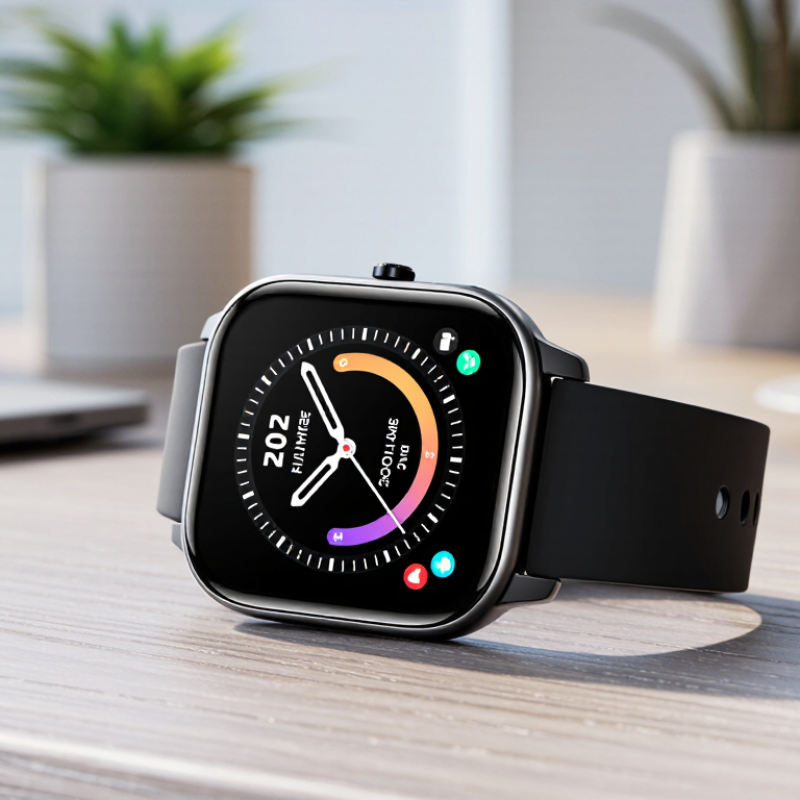
What Is HAYLOU Watch Hyper and Is It Worth Buying?

What the HAYLOU Watch Hyper Is: Core Features and Product Position

The HAYLOU Watch Hyper is best understood as an everyday smartwatch rather than a miniature phone. Its role is to bring useful information to the wrist: activity data, health-related readings, and phone notifications, depending on the confirmed model specifications. The appeal is practical. A quick glance can be easier than reaching for a phone while walking or working at a desk.

It is not a medical device, and wrist-based measurements can be imperfect, especially during movement or with a loose fit. That matters.

Its product position appears aimed at people who want more than a simple step counter without paying for a complex, premium watch. Think of checking a message in a grocery queue, reviewing a walk after dinner, or seeing the time during a commute.

Before buying, check the exact display, supported phone system, battery estimate, water-resistance rating, and available health functions. These details can differ across versions and regions. Also consider whether the watch’s companion app feels clear and reliable; daily usefulness depends on it.

A polished feature list is not enough. Some claims deserve a closer look.

Display and Design: Evaluating Its 2.13-Inch AMOLED Screen

A 2.13-inch AMOLED display gives this watch a broad, phone-like face for checking the time, notifications, and fitness details. Text and icons have room to breathe, so quick glances should feel less cramped than on a narrow screen. That matters while walking or carrying bags. Still, a larger display can look oversized on a smaller wrist, and personal fit is hard to judge from measurements alone.

AMOLED technology can produce deep blacks and strong contrast, which helps bright lettering stand out against dark menus. It may also make watch faces feel more vivid indoors. Outdoors, screen readability depends on brightness and reflections; the screen size alone cannot guarantee an easy view in direct sun. Check the brightness controls and available watch faces before buying, if possible. Small details matter.

The design trade-off is practical. A generous screen can make taps easier, but it may leave less room for a discreet, lightweight look. I would compare the watch’s case dimensions with a watch already comfortable on your wrist. A display can impress in product photos, yet feel different during a full day of use. Some menus may still require extra taps. That is worth considering.

Fitness Tracking in Context: WHO’s 150–300-Minute Weekly Activity Guideline

The World Health Organization recommends that adults complete 150–300 minutes of moderate aerobic activity each week, or 75–150 minutes of vigorous activity. That could mean a brisk 30-minute walk on five days. Shorter sessions count, too. A watch can help track moving time and remind you to stand after a long stretch at a desk. But its “active minutes” are estimates, not a diagnosis or a perfect measure of effort.

The WHO’s Global Status Report on Physical Activity 2022 estimated that 27.5% of adults worldwide did not meet recommended activity levels, using 2016 data. That figure gives personal tracking useful context: consistency matters more than chasing a high daily score. Check whether the watch records activity during a real walk, not just arm movements while cooking. Heart-rate readings can also vary with fit, skin contact, and motion. A snug strap helps, though it does not guarantee precision. Some days, the numbers may be frustrating. That is worth remembering. Use weekly trends to plan manageable activity, and follow clinical advice if you have health concerns.

Weekly Moderate-Intensity Activity: WHO Guidance

WHO recommends adults get 150–300 minutes of moderate-intensity aerobic activity per week. The 30-minute and 60-minute schedules shown are examples that add up to the lower and upper ends of that range.

Calls, Battery, and Compatibility: Practical Checks Before Buying

Before buying, check whether the watch supports Bluetooth calling with your exact phone model. App notifications alone do not confirm that call audio will work. Pair it, make a call, and listen in a noisy room. Calls need testing. Check whether contacts sync and whether you can answer calls without reaching for your phone. IDC’s 2024 forecast estimated 538.9 million wearable shipments worldwide, up 6.1% year over year. That signals a crowded market, not guaranteed call quality.

Battery claims need context. Frequent calls, a bright screen, and continuous health tracking can shorten the time between charges. Ask how long charging takes, then consider your routine: a watch that needs charging during your morning rush may stay on the dresser. Small details matter. Check compatibility before paying: phone operating-system version, companion-app availability, notification permissions, and required account access. An older phone may pair but still miss features. Also confirm whether the watch stores music or maps independently; many models rely on the phone instead. These checks can feel tedious, and product pages rarely make every limitation obvious. Read the manual or ask support about your specific phone, rather than assuming “Bluetooth compatible” means every feature will work.

What Is This Smartwatch and Is It Worth Buying? — Calls, Battery, and Compatibility: Practical Checks Before Buying
Check What to verify Practical test or evidence Buying guidance
Bluetooth calling Confirm the watch has a microphone and speaker and supports calls through a paired phone. A watch with call notifications alone may not let you speak or listen from the watch. Check the manual and product settings for call-audio support. If possible, pair it with your phone and place a test call in a quiet room. Buy only if hands-free calling works as you need it.
Phone compatibility Check the required companion app, supported Android or iOS versions, and whether the app is available in your region. Compare your phone’s operating-system version with the app-store listing and the watch’s official compatibility requirements. Do not rely on Bluetooth alone; app support is also necessary for setup and syncing.
Call and notification reliability Calls and alerts may depend on Bluetooth connection, app permissions, background activity settings, and phone notification settings. Before purchase, look for setup instructions and return terms. After setup, test incoming calls and messages with the phone locked. Allow time to configure permissions; features may vary by phone and operating-system version.
Battery life Battery performance depends on usage, screen settings, notifications, and how often calling or other power-intensive features are used. Compare the maker’s stated usage conditions with your routine. Look for independent tests that explain their settings and test duration. Treat a stated maximum as a best-case estimate, not a guaranteed everyday result.
Charging Check the charger type, whether it is included, and the stated charging time. Proprietary charging cables can be inconvenient to replace. Confirm what is included in the box and whether replacement chargers are available before ordering. Factor in charger availability and replacement cost.
Water resistance Read the exact water-resistance rating and its stated limits. Water resistance is not permanent, and different ratings do not mean the same thing. Check the manual for restrictions involving swimming, hot water, soap, or pressing buttons underwater. Do not infer a swimming rating from splash resistance. Choose only a rating that explicitly covers your intended use.
Bluetooth connection Confirm the supported phone connection method and whether the watch requires the companion app to remain installed or active. Check setup guidance and user reports for pairing, reconnection, and syncing behavior with your phone type. A listed Bluetooth feature does not by itself guarantee reliable syncing in every environment.
Health and activity features Check which measurements are included and how they are described. Consumer watch readings are estimates and are not a substitute for medical diagnosis. Read the feature list and instructions for use; verify whether each measurement is available in your region and app. Treat health readings as general wellness information.
Comfort and fit Consider case dimensions, watch weight, strap material, and whether the strap size suits your wrist. Compare the listed measurements with a watch you already find comfortable. Check whether standard replacement straps fit. A good feature set is less useful if the watch is uncomfortable to wear.
Overall value Compare the price with the features you will actually use, warranty coverage, return policy, and availability of support. Check the seller’s written warranty and return conditions, then compare alternatives using the same criteria. Worth considering if calling, compatibility, battery expectations, and support all meet your needs.

Is the HAYLOU Watch Hyper Worth Buying? Weighing Features Against Price

A smartwatch is worth its price only when its everyday features solve real problems. A bright, easy-to-read screen helps outdoors, while clear menus matter when checking a message during a walk. Health and activity tracking can be useful, but treat the readings as general guidance, not medical measurements. Check which phone systems it supports before buying.

Price changes the balance. Compare the watch’s listed features with its current cost, then ask which ones you will actually use. If you mainly want step counts, notifications, and a timer, paying extra for functions you rarely open may not make sense. Battery life also deserves attention: frequent charging can turn a convenient watch into a small chore. I would not judge it from a feature list alone; comfort, app quality, and long-term reliability are harder to assess without hands-on use.

Tips: Read recent owner reviews for specific complaints, such as missed notifications or uncomfortable straps. Check return terms, and compare prices from more than one seller. Small details matter. If possible, try the fit on your wrist before deciding.

FAQS

What is this smartwatch designed for?

It brings activity data, health-related readings, and phone notifications to your wrist. It is an everyday watch, not a miniature phone.

Can its readings be treated as medical results?

No. Wrist measurements can be inaccurate, especially during movement or with a loose strap. Not always.

What should I check before buying?

Confirm the display, phone compatibility, battery estimate, water-resistance rating, and available health features. Details may vary by version or region.

Can it help me track weekly exercise?

It can estimate activity time and show trends across the week. Adults are advised to aim for 150–300 minutes of moderate activity, or 75–150 vigorous minutes weekly.

What could a manageable weekly goal look like?

Try a brisk 30-minute walk on five days. Shorter sessions also count, and a watch may help you notice progress.

Are active-minute totals always reliable?

No. Arm movements while cooking may look like exercise to a tracker. Check whether it records an actual walk accurately.

Why might heart-rate readings change?

Fit, skin contact, and movement can affect readings. A snug strap may help, but it does not guarantee precision.

What matters besides the feature list?

Check whether the companion app feels clear and dependable. A long list sounds promising, but daily usefulness can still disappoint.

Conclusion

The HAYLOU Watch Hyper is a feature-focused smartwatch designed for people who want a large, clear display and useful everyday tools in one wearable. Its 2.13-inch AMOLED screen is a central part of its appeal, offering ample space to read notifications and view basic information. When considering its design, buyers should also think about comfort, size, and whether its style suits daily wear.

Fitness features can help users keep track of activity, but they are best viewed as general guidance rather than a substitute for professional health advice. The World Health Organization recommends that adults aim for 150–300 minutes of moderate-intensity activity each week. Before buying, check that calling functions work with your phone, review expected battery life against your routine, and confirm compatibility. Whether the HAYLOU Watch Hyper is worth buying ultimately depends on its price, the features you will actually use, and how well it fits your everyday needs.


Emily

Emily

Emily is a dedicated marketing professional with extensive knowledge of the company’s products, services, and industry landscape. Through a thoughtful combination of market research, customer insight, and clear communication, she helps present complex product information in a practical and engaging......