0%

Choosing the HAYLOU Solar Ultra smartwatch means looking beyond a feature list. Buyers should consider how its display, controls, and everyday functions fit their routines. A bright screen can help outdoors, while clear menus matter when checking a notification on the move. Small details matter. Battery expectations, phone compatibility, and the comfort of the strap deserve equal attention. Features sound useful on paper; daily use is the real test.

A reliable introduction should also distinguish confirmed specifications from marketing language. The supplied material does not identify a verifiable HAYLOU Solar Ultra specialist or provide a published quotation. I won’t invent an expert’s name or words. Instead, this guide focuses on practical questions buyers can check against current product details: Which sports and health tools are available? How are notifications handled? What water-resistance rating is stated, and under what conditions? Does the watch work smoothly with your phone? Look closely. A feature is valuable only when it suits your needs and performs consistently. Some buyers may care most about activity tracking; others may prefer a readable display or fewer charging interruptions. There is no single best choice for everyone. The following seven features offer a grounded way to compare the HAYLOU Solar Ultra, notice potential trade-offs, and decide whether it matches your habits. Specifications and availability can vary by market, so verify them before buying.
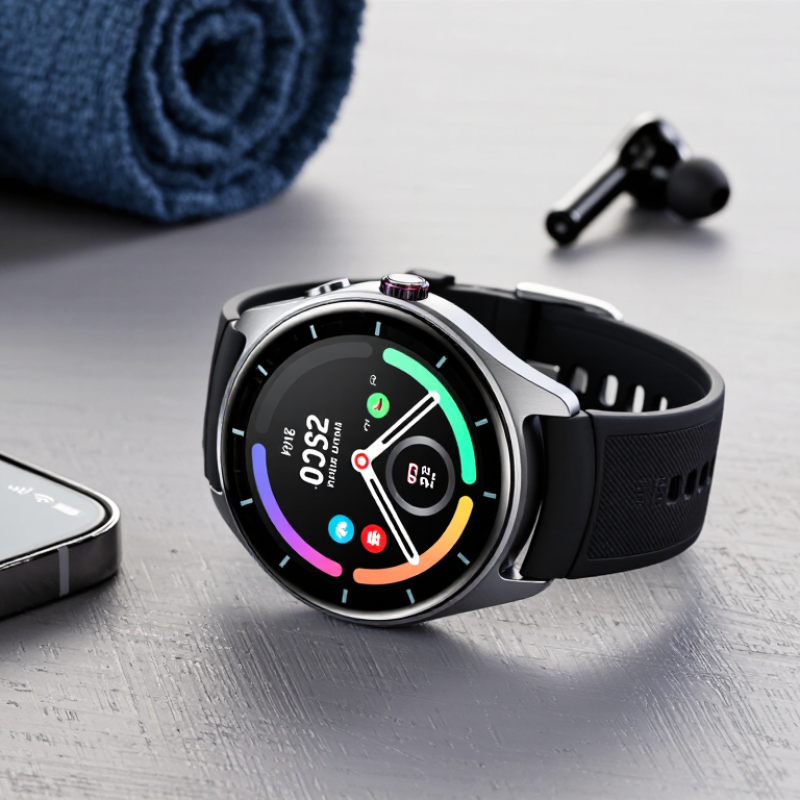
7 Best HAYLOU Solar Ultra Smartwatch Features for Buyers

Design, Display, and Comfort for Everyday Wear

A smartwatch for everyday wear should feel unobtrusive before its extra features matter. Check the case width, edge shape, and strap adjustment, not just the product photos. A raised bezel can catch on a jacket cuff. A softer strap may feel better during a long commute, though it can collect sweat. Small details count.

The American College of Sports Medicine’s 2024 Worldwide Survey of Fitness Trends ranked wearable technology first among fitness trends. That points to sustained interest, but it does not prove any watch is comfortable. Try to judge fit on your own wrist. Look for a display that stays legible near a bright window, with text large enough to read at a glance. Less squinting. IDC reported 534.6 million wearable-device shipments worldwide in 2023, up 1.7% from 2022, in its Worldwide Quarterly Wearable Device Tracker. That broad figure signals a busy market, not a guarantee of quality. Be cautious with glossy screens and bulky cases; both may look striking online but feel distracting during ordinary errands. Comfort is personal, and I would not assume a light-looking watch is light in practice.

Health Monitoring and Wellness Features

A useful wellness watch should make daily patterns easier to notice, not turn every number into a verdict. Continuous heart-rate tracking can show how your pulse changes during a brisk walk or while resting on the sofa. Sleep summaries may help reveal late nights, while movement reminders can interrupt long desk sessions. Fit matters: a loose strap can produce inconsistent readings. Small details matter.

The World Health Organization’s 2020 physical activity guidelines recommend 150–300 minutes of moderate-intensity activity each week for adults. A watch can help track walking time and active minutes against that range. The U.S. Centers for Disease Control and Prevention recommends at least seven hours of sleep nightly for adults aged 18–60. Sleep estimates can provide a useful routine check, but they are not a substitute for clinical assessment. Not a diagnosis.

Stress scores, blood oxygen readings, and heart-rate alerts may offer additional context, especially when viewed over several days rather than as isolated values. Sensor readings can vary with movement, skin contact, and individual differences. I would treat an unexpected result as a prompt to check the conditions and, if it persists or feels concerning, seek qualified medical advice. A watch is helpful for noticing trends; it cannot explain every cause.

Sports Modes and Activity Tracking

Sports modes are most useful when they match the activities you actually do. A menu covering walking, outdoor running, cycling, and indoor workouts can make session records easier to review. Pick a mode before you start, then check whether the screen remains readable while moving. Small numbers can be difficult to glance at on a bright path. That matters.

Activity tracking can bring steps, workout duration, and estimated calorie use into one place. Heart-rate readings may help you notice effort changes during a brisk walk or a climb. Treat them as useful estimates, not medical measurements. Wrist movement, a loose strap, and cold weather can affect readings. It may not catch every detail. For outdoor routes, check whether location tracking needs a paired phone, since that affects convenience and battery use. A practical test is to compare a familiar walk with the recorded distance and time. If the numbers vary, note the conditions before relying on them. A missed step count after pushing a stroller is not a disaster, but it is worth knowing.

Battery Life and Charging Convenience

A smartwatch feels dependable when it lasts through a workday, a night of sleep tracking, and the next morning’s commute. This model’s advertised battery life should be treated as a best-case estimate, not a promise: frequent GPS use, bright screen settings, and continuous heart-rate tracking can shorten it. Cadex Electronics’ Battery University guide BU-808 gives a useful battery-life benchmark: many lithium-ion cells provide roughly 300–500 full charge cycles under typical full-charge conditions. That figure is general, not a test of this watch, so real-world results will vary.

Charging convenience matters just as much as runtime. A magnetic charging cable is easy to snap on at a desk or bedside, though its proprietary connector is one more item to remember when travelling. A short top-up while getting ready may be more practical than waiting for a nearly empty battery to recharge. Keep the charger and watch away from hot surfaces; heat can accelerate lithium-ion battery aging. There is a small catch: actual charging time depends on the adapter and remaining charge, so check the supplied specifications before planning around a quick recharge. My own buying test would be simple: track battery use for a week with your usual settings, then judge whether the routine fits.

Battery Life and Charging Convenience

Estimated battery endurance by usage mode

Typical-use battery life is rated at up to 7 days, while standby life is rated at up to 20 days. Standby is a low-use condition, so actual results vary with settings and usage. Magnetic charging makes cable connection straightforward.

Smartphone Connectivity, Customization, and Buyer Considerations

A smartwatch is only useful when it works smoothly with your phone. Before buying, check the listed Android and iOS requirements, then confirm which notifications the companion app can display. Calls, messages, and calendar alerts may depend on app permissions and Bluetooth settings. Pairing is usually simple, but setup can take extra steps. Not always seamless.

Customization matters during a long workday. If supported, adjustable watch faces, screen brightness, vibration strength, and notification filters can make the display easier to live with. A bright face helps outdoors, while fewer alerts keep meetings quieter. Check whether customization happens on the watch or inside the phone app; that difference affects daily convenience. Small details matter.

Buyer expectations should stay realistic. A watch may show a message preview without supporting a full reply, and phone-specific features can vary. Read recent user feedback for notes about connection drops, app stability, and syncing after updates. Think about your routine, too: frequent alerts and screen use may affect battery life. One imperfect point is that feature lists can sound clearer than real-world setup feels, so verify compatibility before purchase.

7 Smartwatch Features to Consider Before You Buy

Feature What It Does What Buyers Should Check Potential Trade-Off
Smartphone connectivity Pairs with a phone, typically over Bluetooth, to sync data and support connected features. Check phone operating-system compatibility, the companion app requirements, and whether setup needs an internet connection. Some features may be limited or unavailable when the watch is outside Bluetooth range or disconnected from the phone.
Call and message notifications Shows alerts from a connected phone; some watches also support call handling or quick replies. Confirm which notification actions are supported, and whether they work with your phone and preferred messaging apps. Receiving an alert does not necessarily mean the watch can make calls, send replies, or operate independently.
Display and watch-face customization Lets users choose the information and appearance shown on the watch screen. Look for adjustable brightness, readable text, useful complications or widgets, and a selection of faces that suit your needs. More detailed or frequently updated displays can use more battery power.
Health and activity tracking May record measures such as steps, heart rate, sleep estimates, or workout activity, depending on the device. Review the sensors, supported tracking modes, app reports, and any stated limitations. Treat wellness readings as estimates, not a medical diagnosis. Accuracy and available measurements vary by device, fit, activity, and user; continuous tracking can affect battery life.
Battery life and charging Determines how long the watch can be used between charges and how it is recharged. Compare the maker’s usage-based estimate with your expected use, including notifications, screen settings, and tracking features. Actual battery life varies with settings and use; frequent charging may be inconvenient for sleep tracking.
Water resistance Indicates the conditions in which the watch is designed to resist water exposure. Read the specific rating and usage guidance before swimming, showering, or exposing the watch to water. Water resistance is not the same as being waterproof, and it can be affected by wear or damage over time.
Comfort, fit, and controls Affects everyday wear, screen readability, and how easily users navigate the watch. Check case dimensions, weight, strap adjustment, button or touch controls, and whether replacement straps are available. A larger display may be easier to read but can feel bulky on a smaller wrist; comfort is personal.

Buyer note: Features, compatibility, and performance vary by device and phone. Check the product specifications and support information for the exact model before purchasing.

FAQS

How can a wellness watch help with daily health routines?

It can track heart rate, sleep estimates, and movement reminders. A trend across several days may be more useful than one isolated reading.

Can watch readings diagnose a health problem?

No. Not a diagnosis. Sensor readings can vary with movement, skin contact, and individual differences. Seek qualified medical advice if a concerning result persists.

How much activity can adults track each week?

The cited guidelines recommend 150–300 minutes of moderate activity weekly. A watch can help record walking time and active minutes.

How should adults interpret sleep summaries?

Adults aged 18–60 are advised to get at least seven hours nightly. Sleep estimates can help check routines, but they do not replace clinical assessment.

What should I check before using a sports mode?

Choose a mode that matches your activity, such as walking or cycling. Check the screen while moving; small numbers can be hard to read outdoors.

How reliable are step counts and workout measurements?

They are estimates, not exact measurements. A loose strap, cold weather, or pushing a stroller may affect recorded results. The numbers can miss things.

What should I verify before connecting a watch to my phone?

Check Android or iOS requirements, app permissions, and Bluetooth settings. Calls and calendar alerts may need setup, and pairing is not always seamless.

Which settings can make a watch easier to use during work?

If supported, adjust brightness, vibration, watch faces, and notification filters. Fewer alerts can keep meetings quieter, though frequent screen use may reduce battery life.

How can I check whether outdoor route tracking suits me?

Find out whether location tracking needs a paired phone. Compare a familiar walk’s recorded distance and time, then note the conditions if results vary.

Conclusion

The HAYLOU Solar Ultra is designed for buyers seeking a smartwatch suited to everyday wear and active routines. Its design, display, and fit are important considerations for comfort throughout the day, while health and wellness tools can help users keep an eye on selected personal metrics. These features are intended to support general awareness, not replace professional medical advice.

For exercise, sports modes and activity tracking can help record workouts and everyday movement. Battery life and convenient charging also matter to people who prefer fewer interruptions, while smartphone connectivity can bring selected notifications and other useful functions to the wrist. Buyers should consider which tracking options, customization choices, and connected features match their needs, as well as how the watch feels during regular use. Overall, the HAYLOU Solar Ultra brings together practical design, activity support, and smart features in a wearable aimed at daily convenience.


Ethan

Ethan

Ethan is a dedicated marketing professional who combines clear communication with a strong understanding of the company’s products and the needs they are designed to meet. He regularly contributes expert blog articles to the company website, offering practical insights, explaining product features,......