Choosing the right pair of Active Noise Canceling Headphones can change how a commute, flight, or workday feels. Constant engine rumble becomes softer. Voices may fade into the background. Music can sound clearer at lower volumes.
This guide examines ten leading models for 2026 through practical, everyday criteria. Testing should include crowded trains, quiet rooms, windy streets, and long listening sessions. Important details include noise reduction, comfort, microphone quality, battery life, controls, app support, and sound balance. A strong rating means little if the ear cushions become painful after two hours.
Fit matters more than many specifications suggest. A loose seal can weaken noise cancellation dramatically. Glasses, hairstyles, and ear shape also affect performance. No headphone performs perfectly in every environment. That is worth remembering.
The most reliable comparisons combine manufacturer information with hands-on impressions and consistent listening checks. Battery claims may vary under real conditions, especially with high volume and extra features enabled. Wireless codecs can improve compatibility, but they do not guarantee better sound for every listener. Small differences often matter more than dramatic advertising language.
Some judgments remain subjective. A bass-heavy model may excite one listener and tire another. Touch controls can feel convenient until accidental taps interrupt a podcast. These recommendations recognize those imperfections instead of hiding them. The final choices focus on useful performance, durable design, and honest value across different budgets and listening habits. Expect strengths, compromises, and a few surprises.
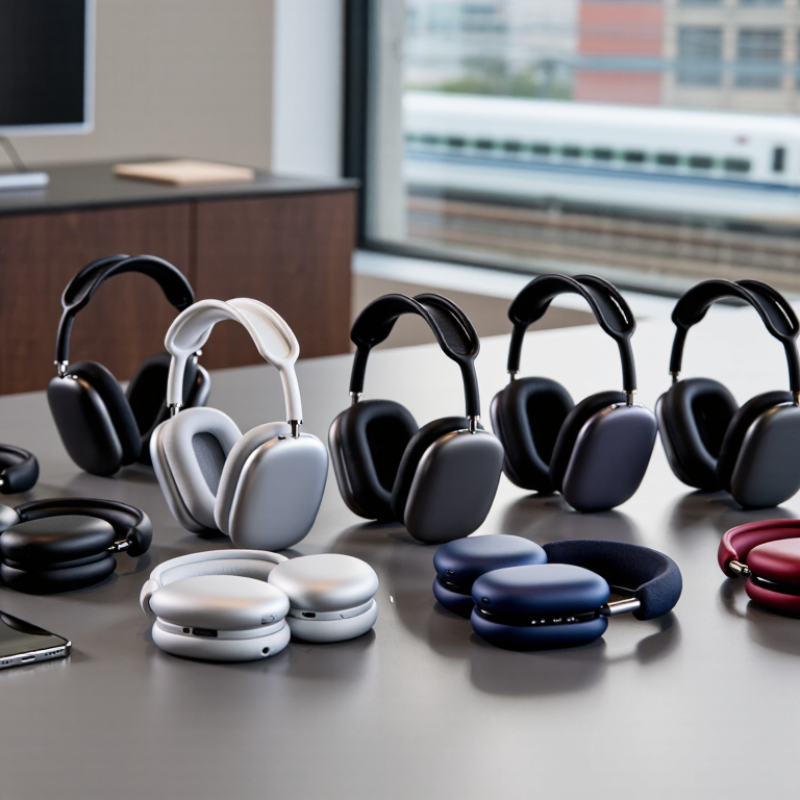
Active noise cancellation, or ANC, uses microphones to monitor surrounding sound. A processor studies that noise in real time. It then creates an opposite sound wave through the headphone speakers. These waves reduce each other before reaching your ears.
The effect works best with steady sounds. Aircraft engines, train wheels, and air conditioners often become softer. Sudden sounds are harder to remove. Human voices may remain partly audible, especially in busy rooms. A snug ear seal also matters because it blocks higher frequencies physically. ANC does not create perfect silence. It can even produce a mild pressure feeling, although no air pressure changes inside your ears. That sensation bothered me during longer listening sessions, so comfort should be tested carefully.
Tips: Play familiar music at a moderate volume. Compare ANC with the feature switched off. Notice voices, traffic, and low rumbles separately. Check whether the ear cushions leak sound when you move. Battery performance can decline in cold conditions. Remember that stronger cancellation is not always better; natural awareness may feel safer outdoors. Some headphones also add a transparent listening mode, but it may sound slightly artificial. Test it before relying on it near roads or crowded stations.
Choosing among the 10 best active noise-canceling headphones in 2026 requires more than reading a feature list. In real use, strong ANC should reduce subway rumble, airplane engines, and air-conditioner hum without creating pressure in your ears. Voices and sudden sounds are harder to control. Fit matters. A loose seal can weaken performance more than a small technical difference. Test the headphones with glasses, different ear tips, and several listening levels.
Compare noise-control modes carefully. A useful transparency mode should make conversations sound natural, not metallic or distant. Adjustable ANC helps in changing environments, while wind reduction matters outdoors. Check microphone quality in a busy street, not only in a quiet room. Call clarity can change sharply when traffic passes. Battery ratings also need context, because ANC, high volume, and wireless features reduce real running time.
Comfort deserves equal attention. Soft padding, balanced weight, and stable controls become important after two hours. Look for reliable multipoint switching if you move between a laptop and phone. Wireless codec support may improve detail, but it cannot repair poor tuning or a weak seal. Independent measurements can help, although they do not replace personal listening. I sometimes prefer moderate ANC because maximum cancellation feels tiring. That is not a universal rule. A short trial remains more trustworthy than impressive advertising claims.
Key Features to Compare in Noise-Canceling Headphones
| Best-Fit Profile | ANC Priorities | Useful Battery Target | Comfort and Design | Connectivity to Compare | What to Check Before Buying |
|---|---|---|---|---|---|
| Frequent flyers | Strong reduction of steady low-frequency cabin noise; adjustable ANC modes | At least 25 hours with ANC enabled | Over-ear fit, cushioned earcups, and a foldable design | Bluetooth multipoint and wired listening option | Battery life with ANC on, carry-case size, and whether wired use works with a depleted battery |
| Office and remote-work users | Adjustable ANC plus a transparency mode for conversations and announcements | About 20 hours or more with ANC enabled | Comfortable for extended wear; moderate clamping force | Multipoint pairing for switching between a computer and phone | Microphone performance in background noise and compatibility with calling apps |
| Commuters | Effective reduction of continuous traffic, rail, and vehicle rumble | At least 20 hours with ANC enabled | Secure fit and a design that is easy to store when not in use | Reliable Bluetooth connection and a wired fallback where needed | Transparency controls, portability, and how the headphones handle wind noise |
| Frequent callers | ANC for listening, with a separate voice-focused microphone system | Enough for a full workday; compare talk time separately from music playback | Stable, lightweight fit for long calls | Multipoint pairing and support for the calling devices you use | Real-world voice clarity, sidetone controls, and microphone behavior outdoors |
| Long-haul travelers | Multiple ANC levels and a transparency mode for airport announcements | At least 30 hours with ANC enabled is a useful target | Soft ear cushions, low pressure, and a replaceable-cushion option | Bluetooth plus a 3.5 mm wired connection if in-flight systems require it | Whether ANC works in wired mode and whether the audio cable is included |
| Listeners who value natural sound | ANC that can be adjusted without unwanted changes to the listening experience | Compare ANC-on runtime with ANC-off runtime | Comfortable over-ear fit with a good seal around the ears | Check supported Bluetooth audio codecs and wired options | Listen for sound changes across ANC modes; codec support must match the source device to be useful |
| Small-ear or glasses wearers | Consistent noise reduction without needing an overly tight fit | Choose a runtime that suits typical listening sessions | Try earcup depth, opening size, cushion softness, and clamping force | App controls for adjusting ANC and transparency levels | Fit is individual; glasses temples can affect the earcup seal and therefore ANC performance |
| Shared-device households | Simple ANC and transparency controls that are easy to access | At least 20 hours with ANC enabled for fewer charging interruptions | Durable construction and replaceable ear cushions where available | Multipoint support, device switching behavior, and a standard charging connection | Check how many devices can stay connected and whether switching requires manual re-pairing |
| Quiet-room and study users | Adjustable ANC for steady background sounds; low-latency mode may help with video | Compare runtime at the ANC setting you expect to use | Lightweight fit suitable for long study sessions | Wired or low-latency options for video and computer use | ANC generally reduces steady low-frequency noise more effectively than sudden sounds or nearby speech |
| Value-focused buyers | Functional ANC with a usable transparency mode and straightforward controls | Compare tested ANC-on runtime rather than relying on ANC-off figures | Comfort and replaceable parts may matter more than premium materials | Confirm compatibility with your devices; advanced codecs and multipoint support vary by model | Check warranty, return policy, charging time, and whether essential accessories are included |
How to read this comparison: These are buying profiles and practical feature targets, not model-specific specifications or product rankings. Actual battery life depends on volume, ANC settings, Bluetooth features, and usage. Active noise canceling reduces some external sounds but does not eliminate all noise.
The 10 Best Active Noise-Canceling Headphones in 2026 should be judged by more than how quiet they make a room. Strong noise cancellation can soften the steady rumble of a train or airplane, while voices and sudden sounds may still come through. That difference matters during a commute. Fit matters. A loose seal can weaken both noise reduction and bass, even when the headphones have impressive specifications.
A useful comparison considers comfort, battery life, call clarity, controls, and sound quality alongside cancellation strength. The best choice for long flights may feel too bulky for a short walk. Look for adjustable listening modes, especially if you need to hear announcements or talk without removing your headphones. Test controls with cold or gloved fingers if you travel in winter; tiny touch surfaces can be frustrating. Small details count.
There is no perfect winner for every listener. Ear shape, glasses, and sensitivity to pressure can change how headphones feel after an hour. That part is easy to overlook in a neat ranking. Review claims with care, and compare independent listening tests when available. A quiet office is not the same as a crowded carriage, and one test cannot represent both. Comfort is personal, sometimes annoyingly so. A balanced shortlist should explain who each option suits, where it falls short, and whether its everyday features justify the price.
Editorial scoring framework for comparing the features that matter most in everyday listening.
The percentages show suggested weights for a comparative review: noise cancellation and sound quality receive the greatest emphasis. They are editorial criteria, not measured scores for individual products.
When choosing active noise-canceling headphones, match their strengths to where you listen most. ANC usually reduces steady low sounds, such as bus rumble or an air conditioner. It is less effective against nearby conversation, sudden clatter, or a child calling your name. Test headphones in a noisy shop if possible, but remember that display areas can make comfort difficult to judge. Check the seal. A small gap around glasses or thick hair can weaken bass and noise reduction.
Comfort matters as much as cancellation during a long flight or workday. Notice pressure on your jaw and warmth around your ears. Does the headband shift when you look down? If you wear glasses, test the headphones with your usual frames. For travel, compare weight, folding design, battery life, and whether listening works with ANC switched off. At a desk, clear call microphones and quick access to transparency mode may matter more than extra bass. Try the controls yourself. Touch panels can be awkward with gloves, and voice prompts may interrupt quiet moments. Check return terms before buying, since fit is personal and online descriptions cannot reveal clamp pressure. No pair suits everyone. I still find comfort judgments surprisingly imperfect; a brief store test cannot predict an eight-hour day.
Comfort is not a soft extra; it determines whether headphones stay on through a commute or a long work session. Look for low clamp pressure, breathable ear cushions, and a headband that does not create a hot spot. Small details matter. Glasses can break a seal, while thick cushions may feel warm after an hour. Sound quality should remain balanced at modest volume, with clear voices and controlled bass rather than exaggerated boom.
Battery figures need context. Compare tested playback with active noise canceling switched on, since features and volume can change runtime. A quick charge is useful when the case is still on your desk. For everyday listening, strong noise reduction can help users avoid turning the volume up in busy places, but it is not hearing protection.
The WHO-ITU Global Standard for Safe Listening Devices and Systems recommends no more than 80 dB for up to 40 hours weekly for adults. Treat that as a ceiling, not a target. Fit and comfort remain personal, and even a highly rated pair may feel wrong after a full afternoon.
It usually lowers steady sounds, like bus rumble, airplane engines, and air-conditioner hum. Nearby voices and sudden clatter remain noticeable.
A small gap near glasses or thick hair can weaken noise reduction and bass. The seal matters.
Wear your usual glasses and notice jaw pressure, warmth, and headband movement. A brief store test may not predict an eight-hour day.
No. Moderate cancellation may feel less tiring, though comfort varies by person.
Conversations should sound natural, not metallic or distant. Try it around people.
Make a call on a busy street, especially when traffic passes. Quiet rooms can hide problems.
For travel, compare weight, folding design, battery life, and ANC-off playback. At a desk, clear calls and quick transparency controls may matter more.
Not exactly. ANC, high volume, and wireless features can shorten runtime.
This guide explains what Active Noise Canceling Headphones are and how they use microphones and sound-processing technology to reduce unwanted background noise. It also outlines the key features worth comparing, including noise-canceling performance, fit, comfort, battery life, sound quality, and ease of use. A selection of ten leading options for 2026 provides a starting point for exploring the range of designs and listening experiences available.
Choosing the right headphones depends on where and how you plan to use them. Consider whether you need a comfortable fit for long listening sessions, dependable battery life for travel, clear audio for music and calls, or effective noise reduction for busy environments. By balancing these priorities with your budget and everyday habits, you can find headphones that suit your needs and remain enjoyable to use throughout the day.